The Night Doesn't End Until the Churros Arrive: A Field Guide to Going Out in Spain
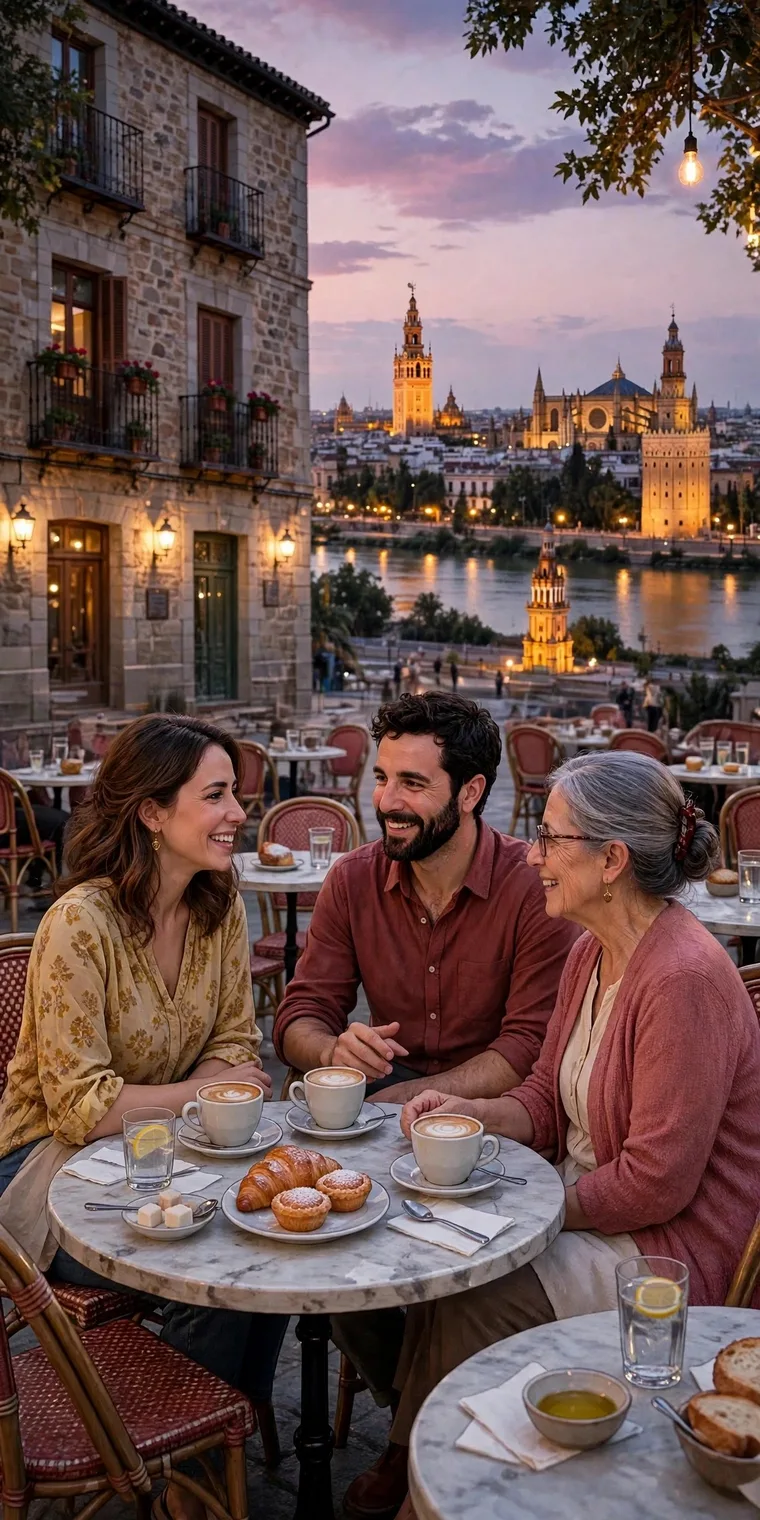
At one in the morning in a Spanish city, the night is not winding down. It is changing shift. The dinner crowd is finishing its sobremesa, the bars are refilling, and somewhere a group of friends is having the evening's decisive argument: whose house for the previa, which bar first, and whether tonight is a big night or merely a normal one. Visitors who went out at nine and looked for a taxi at midnight have not experienced Spanish nightlife and failed. They have experienced its warm-up and left before the match. To go out in Spain — salir de marcha — you must surrender your sense of what time a night begins and ends. Here, it ends at dawn, and it ends with churros.
This is not a party-city invention. Spain's late night is the logical conclusion of its whole timetable. A country that eats lunch at two-thirty and dinner at ten cannot party at eight. The first drink comes when other capitals are serving last orders, and the dance floor fills when northern Europeans are in deep sleep. Add the fiestas that turn entire towns into all-night streets, and a climate that makes 3 a.m. the most pleasant moment of a summer day, and the result is a nightlife with its own physics: long, social, and strangely unhurried.
The Previa, the Bars, the Long Middle of the Night
A Spanish night out is built in stages, and skipping stages is the visitor's classic error. First comes the previa — the pre-party at someone's flat, where friends gather around eleven or midnight with supermarket drinks, music, and no intention of going anywhere yet. The previa is economics (first drinks at home make bar prices go further) and sociology: this is where the group actually talks, before the night gets loud. Its public cousin is the botellón, the outdoor drinking gathering in plazas that has been tolerated, fined, and banned in cycles for two decades. The impulse behind it — socializing outdoors, cheaply, in a country built for outdoor life — is deeply Spanish.
From the previa, the group moves to bars around one or two: pubs, cocktail bars, terraces in summer, places where the music allows conversation and the copa — a generously poured spirit and mixer in a balloon glass — lasts a long time. Spaniards do not drink in rapid rounds, and a night's consumption is often more moderate than its length suggests. The social unit is the group of friends, la cuadrilla, and the night is planned, loosely, around keeping it together. The night is a group expedition.
Only after three, often after four, does the discoteca come into its own. Clubs regard a full dance floor before three-thirty as an embarrassment, and headline DJs in Madrid, Barcelona, and Ibiza have traditionally started sets when clubs elsewhere in Europe are closing. Closing stretches to five, six, or later, and the great summer institutions — Ibiza's clubs, the festival circuit, the verbenas of town fiestas, where an orchestra plays in the plaza until the sky lightens — operate on a simple principle: the night lasts as long as the people do. In fiesta week, grandparents, teenagers, and small children asleep on chairs share the same plaza at 2 a.m. The night belongs to everyone.
How Spaniards Pace What Others Race
What keeps this marathon humane is pacing. Food punctuates the night: the late dinner itself, the bocadillo bought at two from a place that exists precisely for that hour. Groups sit down — on terraces, on plaza benches — for long stretches between venues, because the street itself is a venue. In summer, half the night happens outdoors, moving slowly through a city that is finally cool.
There is also a generational breadth visitors notice. Terraces at midnight hold couples in their sixties finishing a paseo and a drink. Fiesta crowds are all-ages by design. Salir can mean, at sixty-five, a long dinner, a copa on a terrace, and home at two — recognizably the same activity, at a different tempo, as the twenty-year-old's march toward dawn.
And Spaniards grade their nights. Quedar para tomar algo — meeting for a drink — is a complete and honorable evening that ends at one. The full marcha is for weekends, fiestas, and the determined. The sensible strategy is the local one: rest in the afternoon, eat the late dinner properly, pace the drinks, stay with the group, and do not watch the clock, because nobody else is watching it.
Churros at Dawn: The Full Stop
And then, when the club lights rise, comes the ritual that gives the night its punctuation: chocolate con churros. Around five or six, the churrerías fill with the night's survivors — clubbers in evening clothes, fiesta crowds, early-shift workers at the next table — and, in great institutions like Madrid's Chocolatería San Ginés, open since 1894 and serving through the night, a cross-section of the city that exists at no other hour. The order is unvarying: hot chocolate thick enough to stand a spoon in — Spanish chocolate is a dipping sauce, not a drink — and churros, or their plumper Madrid cousins, porras, fried to order.
The genius of the ritual is its double nature. For the workers at the next table, this is breakfast. For you, it is the night's last course. In that overlap the whole Spanish timetable explains itself: the night that began with dinner at ten was always heading here, to a table where one shift is ending and another beginning, and neither finds the other strange. Eat slowly. Dip properly. Then walk home through streets where the bars are opening and the first tostadas are hitting the grill.
At one in the morning, it turned out, the night was changing shift. At six, so is the city. You have simply — finally — stayed long enough to see both.
© 2026 InsideRealSpain.com