The Siesta Is Not a Nap: How Spain Really Pauses in the Middle of the Day
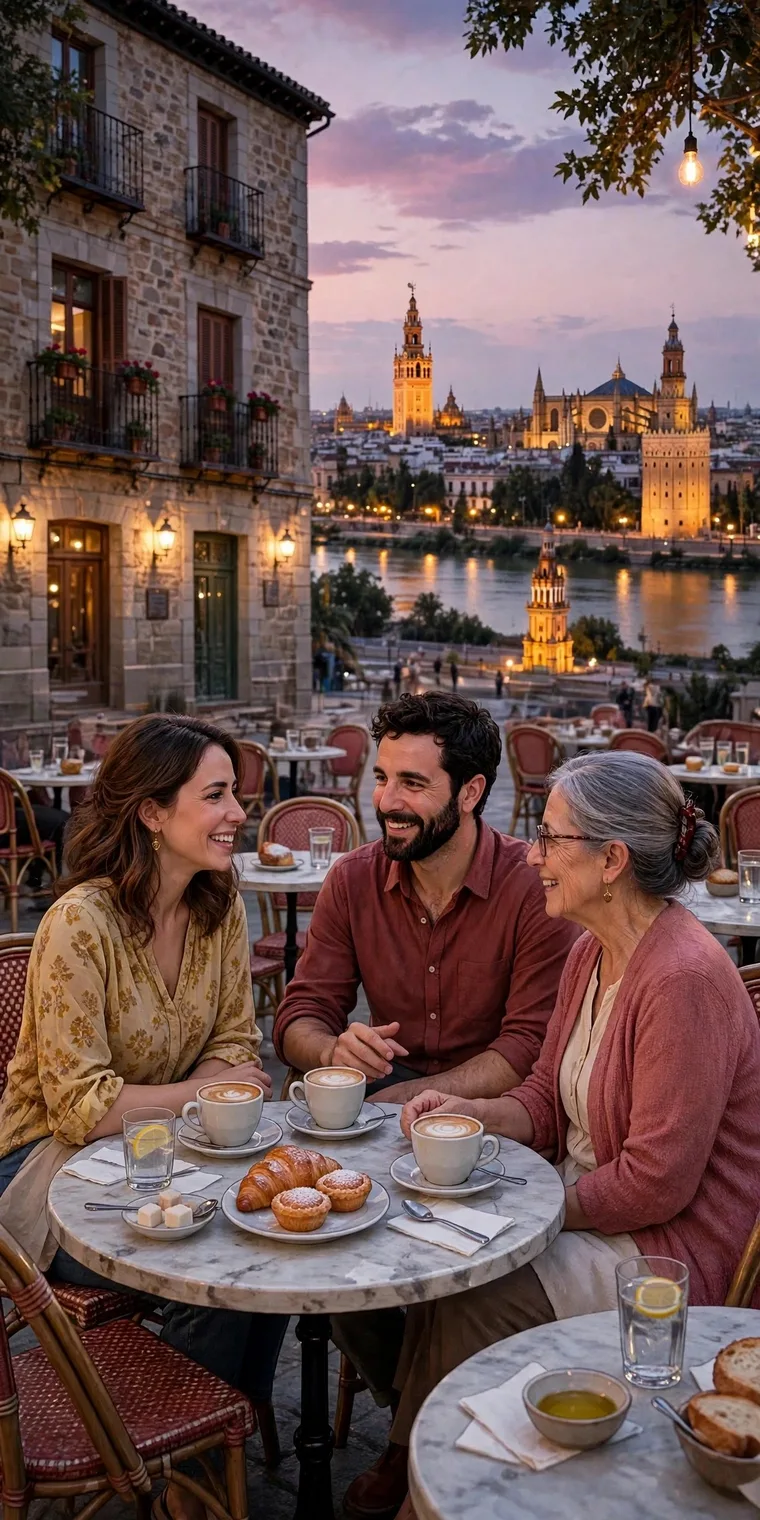
There is a persistent postcard of Spain that shows a man asleep under a tree at three in the afternoon, hat tipped over his eyes, while church bells toll somewhere in the heat. It is a lovely image, and it is almost completely wrong about how most Spaniards live now. The siesta exists — it shapes the day, from shuttered shopfronts to empty streets in August — but it is not, for most people, a nap. It is a pause, a split in the working day, a long lunch, a retreat from heat, and increasingly, an argument about whether Spain should keep it at all.
To understand it, stop thinking about sleep and start thinking about time. Spain has lived on Central European Time since 1942, when it moved its clocks forward to align with Berlin, even though geographically it belongs an hour behind. Sunrise, lunch, and dinner all come late, and the middle of the day stretches. Add summer heat that in Seville and Córdoba can make outdoor work punishing at three in the afternoon, and a long midday break stops looking like laziness and starts looking like adaptation.
The Two Spains: The Shop Counter and the Office
Walk through a provincial capital at 2:30 p.m. on a Tuesday and you will see one version clearly. The bakery, the hardware store, the small boutique — these places close, typically from about 2 p.m. to 5 p.m., depending on region and trade. Large supermarkets and city department stores mostly do not close at all. But independent retail still beats to an older rhythm: open in the morning, close for comida, reopen for the evening. Visitors needing a stamp or a SIM card find only a locked grille. Behind those shutters, owners are eating the main meal of the day at home, often with family, because lunch — la comida — is not a sandwich at a desk. For many households it is still the largest meal: cooked, seated, and unhurried.
Then there is the other Spain. Office workers in Madrid and Barcelona, hospital staff, warehouse and call-center workers, and factories on continuous shifts work a compact day or a lunch break of an hour, sometimes less. They do not go home. They do not sleep. Surveys by Spanish sleep societies have repeatedly found that only a minority of adults nap regularly, and among working adults the daily figure is lower still. The image of the whole nation horizontal between two and four belongs to an agricultural Spain that has largely disappeared, and to weekends, when a short rest after lunch — twenty minutes on the sofa, television murmuring — remains a cherished pleasure.
Younger professionals often laugh at the siesta question. Their complaint is the opposite of the stereotype: the split shift, la jornada partida, still governing many shops, makes for a very long day — 10 a.m. to 2 p.m., three unpaid hours too short to be useful, then 5 p.m. to 8:30 p.m. By the time they get home, dinner at ten feels inevitable.
Lunch Is the Point
The secret the nap myth hides is that the siesta was always, first of all, about lunch. The day has two anchors: comida around two or three, and cena around nine-thirty or ten at night. Between waking and comida there is a modest breakfast and, for many, a mid-morning bite around eleven — a small sandwich, a pincho de tortilla, a coffee — to bridge the gap. Nobody who ate breakfast at seven-thirty can sensibly wait until two-thirty without something in between. The timetable only makes sense as a whole system.
That system explains the menú del día: on weekdays, restaurants offer a fixed lunch — first course, second course, dessert or coffee, bread and a drink — at a price designed for workers. Between 1:30 and 3:30 p.m., dining rooms fill with colleagues, tradespeople, and pensioners. Nobody hurries, yet nobody dawdles either. An hour, perhaps ninety minutes. Then work resumes, or the shop reopens.
Heat, Light, and the Evening Return
Climate built the midday break, and climate still defends it in the south and interior in summer. When temperatures sit above 38 degrees for weeks, working outdoors at midday is a health risk, and construction and farm work have long shifted toward early morning. Air conditioning has softened the necessity, but not the instinct: avoid the worst of the day, live in the evening.
And the evening is the payoff. Spain's famous street life — the paseo, terraces filling at eight, children in plazas at ten at night in summer — exists because the day is back-loaded. When shops reopen at five, a second day begins: errands, classes, football training, a caña with friends, all in light that in midsummer lasts until nearly ten. The hours were not lost. They were moved. The Spanish day is not shorter — stretched across a split schedule, it is arguably longer.
The Argument Spain Is Having With Itself
Every few years, the siesta returns to the political pages. Governments have floated proposals to end the workday at six, shorten lunch breaks, and align Spain with northern European hours. Business groups tend to favor continuity. Unions and small retailers push back. Parents split both ways: a shorter midday break might mean seeing their children before nine at night, but it also threatens the family lunch.
Reform has happened in pieces. Many large firms already work compact days, especially in summer, when jornada intensiva — roughly eight to three, straight through — is common and fiercely defended. Yet retail and hospitality cannot compress so easily: someone has to serve the lunch everyone else is taking. For many older Spaniards, the pause is the shape of a civilized day: eat properly, rest briefly, do not surrender every hour to work. For many younger Spaniards in globalized jobs, it is an anachronism that keeps them in the office until seven. Both describe a real Spain.
For a visitor, the rules are simple. Shop in the morning or after five. Eat your main meal between one-thirty and three-thirty, and look for the menú del día. In summer, slow down in the heat and save your energy for the evening. You may never nap. Most Spaniards, on a working Tuesday, do not either. But you will understand that the closed shutter at three is not a country asleep. It is a country at lunch, about to begin its second day.
© 2026 InsideRealSpain.com