Green Spain's Atlantic Shore: Galicia, Asturias and Cantabria Beyond the Sun Belt
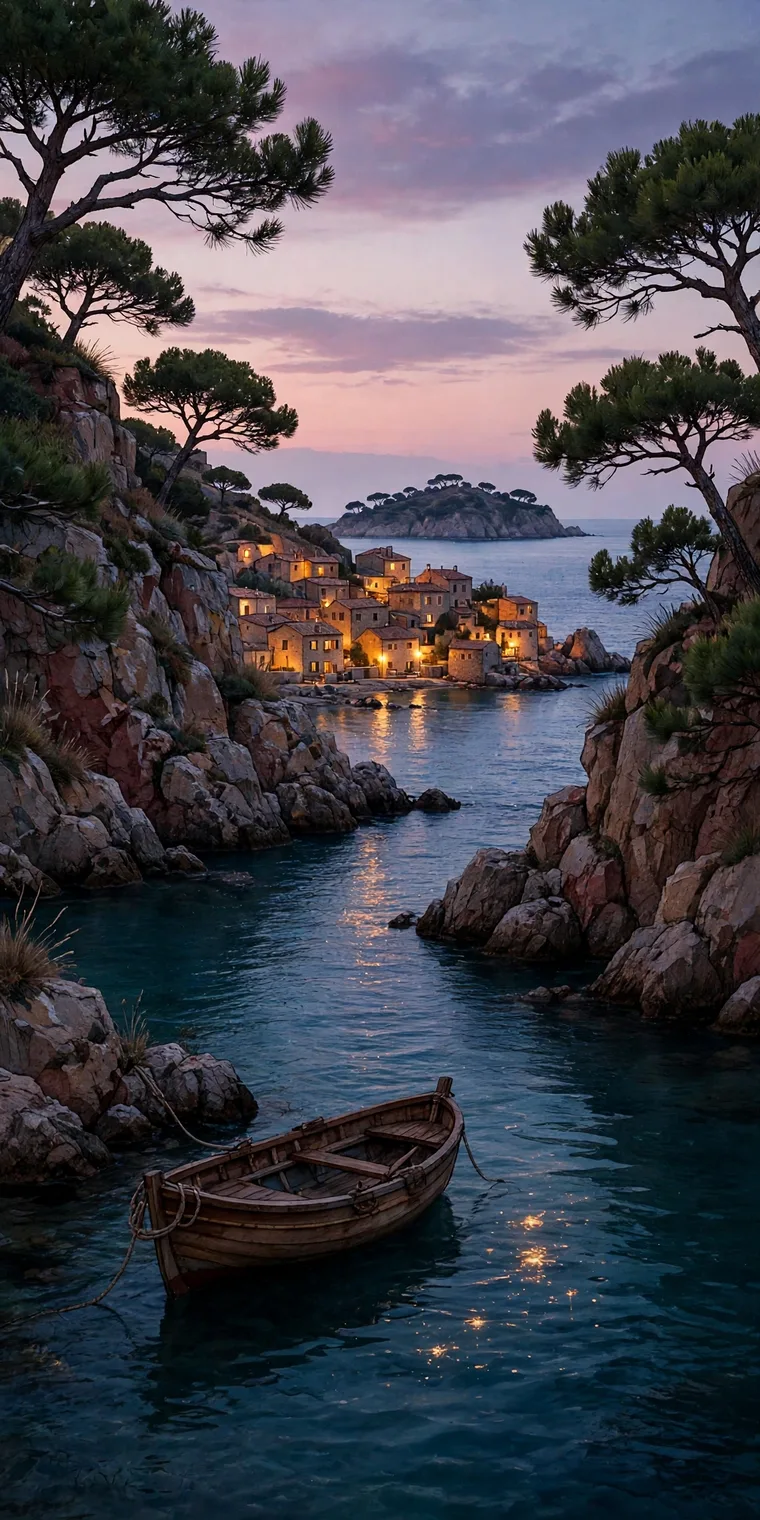
Foreign visitors draw Spain in two colours: the dry gold of the south and the blue of the Mediterranean. The northern coast does not fit the picture at all. From Galicia's Atlantic inlets to Cantabria's surf beaches, the shore facing the Bay of Biscay is green, wet, mountain-backed and tide-driven — a Spain of estuaries and eucalyptus, cider and bagpipes, fishing ports and pilgrim roads, where summer means twenty-five degrees rather than forty and the sea demands respect. Spaniards call it España Verde, Green Spain, and many of them choose it for their own holidays precisely because it is not the Spain the world expects.
Galicia: The Land of a Thousand Estuaries
Galicia's coast is not a line but a fractal. The sea reaches deep into the land in the rías — drowned river valleys that on the western coast, the Rías Baixas, become broad, island-guarded estuaries of calm water, mussel rafts and white beaches, and on the northern Rías Altas turn wilder and more exposed. Vigo, Pontevedra, Arousa, Muros, Noia: each ría has its ports, its Albariño vineyards on granite pergolas, and its own claim to the best shellfish in Spain, a title Galicians argue about with the seriousness of football.
Off the Rías Baixas lies the Atlantic Islands of Galicia National Park — the Cíes Islands off Vigo, Ons, Sálvora and Cortegada — where visitor numbers are capped, cars are banned and the rod-and-line rule of summer is book the ferry and the authorisation early. Rodas Beach on the Cíes, a kilometre of white sand joining two islands across a lagoon, was once named the world's best beach by a British newspaper; hyperbole aside, swimming in its cold, luminous Atlantic water, with peregrine falcons over the cliffs of Monte Faro, is a genuinely great European beach day. Just remember it is the Atlantic: bracing is the polite word.
North, past A Coruña — a working city wrapped around its port, crowned by the Tower of Hercules, the oldest lighthouse in the world still in use, Roman-built and UNESCO-listed — the coast hardens into the Costa da Morte, the Coast of Death, named for its shipwrecks. At Cape Finisterre, Fisterra in Galician, medieval Europe believed the world ended; pilgrims still walk here from Santiago de Compostela, forty kilometres inland, to watch the sun drop into the ocean at what feels like the edge of everything. The seafood follows the drama: percebes, goose barnacles prised from wave-beaten rocks at mortal risk and priced accordingly, are the Costa da Morte on a plate — ugly, dangerous to gather, tasting purely of sea.
Asturias: Where the Mountains Meet the Surf
Asturias compresses Spain's geography into a strip barely forty kilometres deep: the Picos de Europa rise to 2,600 metres within sight of beaches where surfers check the same horizon. The Asturian coast, the Costa Verde, runs for some 350 kilometres of cliffs, small ports and more than two hundred beaches, most of them coves and strands without a building behind them.
The ports carry the character. Cudillero hangs in a steep amphitheatre of coloured houses above its harbour, photogenic to a degree that summer crowds now test. Llanes, in the east, is a handsome town of Indianos mansions — built with fortunes made in the Americas — fronting beaches like Toró, studded with rock cones, while inland the bufones blowholes near Llano fire seawater skyward through limestone chimneys when the swell is right. Ribadesella, where the Sella river meets the sea, hosts each August the International Descent of the Sella, a canoe race that becomes one of Spain's great popular fiestas, and holds in its Tito Bustillo cave some of the finest Palaeolithic art in Europe, a short journey west from Altamira.
Asturian pleasures are specific: fabada, the great bean stew with chorizo and morcilla; fresh cider, sidra, poured from a height to wake it up; and Cabrales, blue, cave-aged cheese from the Picos. Gijón and Oviedo divide the urban honours: Gijón the maritime, beach-fronted city; Oviedo, inland, the capital of UNESCO-listed pre-Romanesque churches unlike anything else in Spain.
Cantabria: Surf, Caves and Santander's Bay
Cantabria, smallest of the three, packs an outsized share of the north's emblems. Its capital, Santander, faces south across one of Spain's great natural bays, its Magdalena Peninsula carrying a royal summer palace and its centre rebuilt after the fire of 1941. West and east spread the surf beaches that have made Cantabria a European surf capital: Somo and Loredo across the bay, reached by the traditional pedreñera boats; Liencres, a natural park of dunes and pinewoods; and the long strands around Noja and Santoña — the latter famous across Spain for its anchovies, salted and cured into something that converts people who thought they disliked anchovies.
Santillana del Mar, a few kilometres inland, is routinely called one of Spain's most beautiful villages — cobbled, honey-stoned, and, as the old joke goes, neither santa, nor llana, nor by the mar. Two kilometres away lies Altamira, the cave whose polychrome bison, painted some 15,000 to 20,000 years ago, were so accomplished that scholars first declared them fakes. The original cave is now strictly protected; the museum's replica, the Neocueva, is superb and is where every visitor goes. Finish westward at Comillas, where a young Gaudí built the fantastical El Capricho villa for an Indiano patron, and San Vicente de la Barquera, a fishing port under the snows of the Picos — the single photograph that explains the whole northern coast: boats, green hills, white mountains, Atlantic light.
Travelling the Green Way
The north rewards a different rhythm. Weather changes by the hour; pack layers and swim when the sun appears. Distances are short but roads are slow, and the narrow-gauge railway along the coast is one of Europe's loveliest slow journeys. Eat where the tide dictates: the mesón with no view and a handwritten menu is usually the right choice. Time a trip, if you can, for September, when the sea is warmest and the crowds have gone home.
Green Spain is not the consolation prize for those who missed the Mediterranean. It is the older, wetter, wilder Spain — Roman lighthouses and painted caves, barnacles and bean stews, the end of the world at Finisterre and the surf at Somo — and for the traveller who finds it, it tends to become the Spain they return to.
© 2026 InsideRealSpain.com