From Aranjuez to the Workshop Bench: Albéniz, Falla, Rodrigo and the Guitar Makers of Granada and Madrid
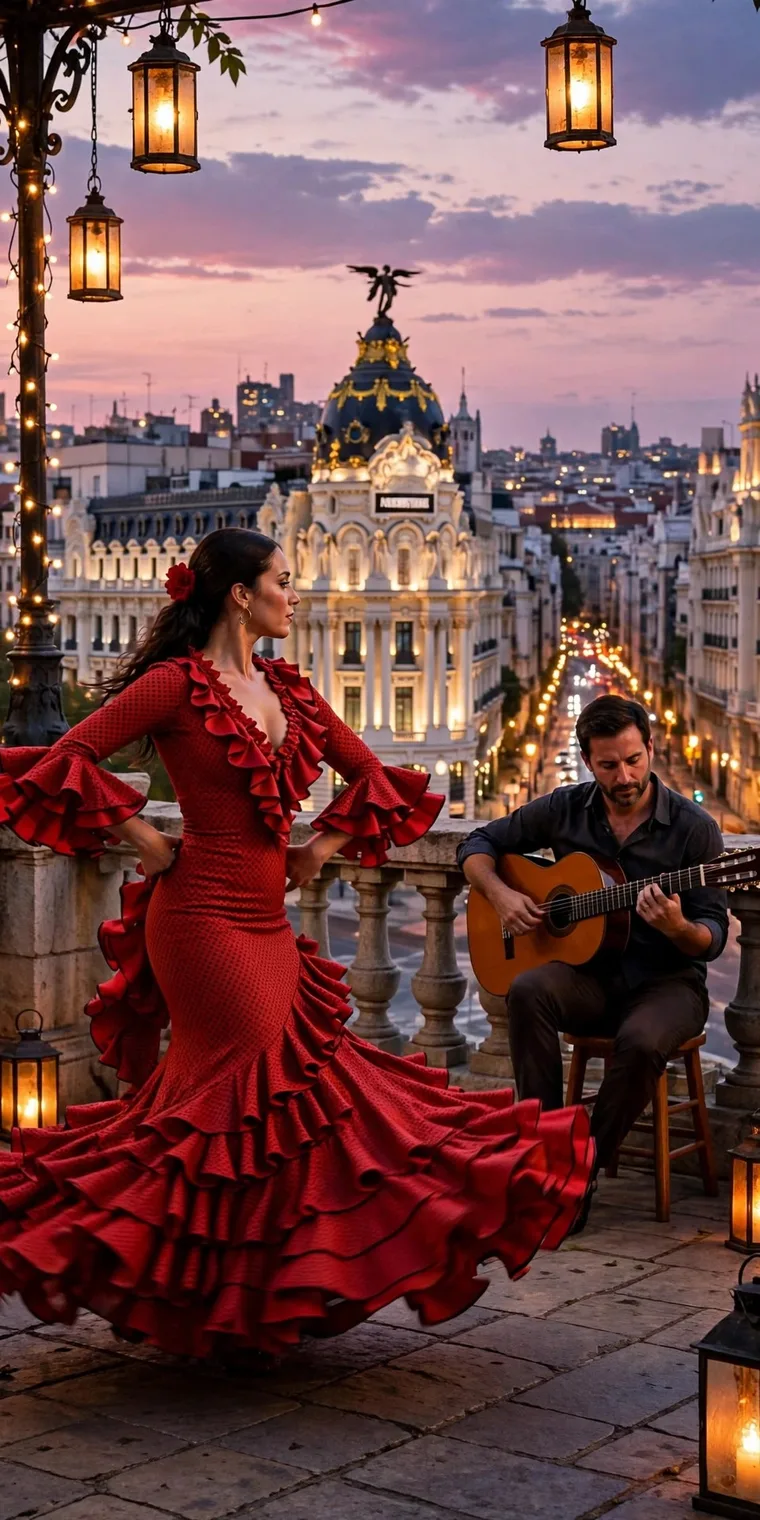
Almost everyone on earth has heard Spain played on a guitar, whether they know it or not. The opening of the second movement of Joaquín Rodrigo's Concierto de Aranjuez — that long, aching cor anglais melody taken up by the guitar in dialogue, grief passed gently between two voices — has been arranged for jazz bands, film scores, brass bands and pop singers. It is the most famous Spanish concerto ever written, composed by a blind pianist from Sagunto who did not play the guitar at all. That paradox sits at the heart of Spanish classical music: a country whose national instrument conquered the world's concert halls in the hands of composers who often wrote for it from the piano, imagining a Spain they were simultaneously inventing and remembering.
Three names dominate the story — Isaac Albéniz, Manuel de Falla and Rodrigo — and behind them stands a fourth, invisible collective: the luthiers of Granada and Madrid, whose workshops built the instruments on which the Spanish sound depends.
Albéniz: The Piano Learns to Strum
Isaac Albéniz (1860–1909), a child prodigy from Camprodon in Catalonia, settled into serious composition late and died young. His monument is Iberia (1905–09), twelve piano pieces of such difficulty that pianists speak of them the way climbers speak of north faces. Pieces like "Evocación," "Triana" and "El Albaicín" do not imitate Spanish folk music so much as rebuild it from inside — flamenco falsetas become piano figuration, and the strummed rasgueado haunts music written for eighty-eight keys.
The irony is delicious: Albéniz's best-known pieces today are his earlier, lighter works — "Asturias (Leyenda)," "Granada," "Sevilla" — made immortal in guitar transcriptions he never wrote. Played on nylon strings, "Asturias" became so identified with Spanish guitar that many assume the guitar version came first. He was writing the guitar all along, at one remove.
Falla: Severity and Fire
Manuel de Falla (1876–1946), born in Cádiz, was Albéniz's heir and opposite: where Albéniz is generous and overflowing, Falla is exact, economical and fierce. His ballet El amor brujo (1915), written for the flamenco dancer Pastora Imperio, contains the "Ritual Fire Dance" that orchestras still use to raise a roof — yet its score grew out of genuine Gitano melodies Falla collected and brooded over. El sombrero de tres picos (The Three-Cornered Hat), premiered by Diaghilev's Ballets Russes in 1919 with designs by Picasso, turned Spanish dances — fandango, seguidillas, jota — into modernist theatre without sanding off their edges. His Noches en los jardines de España (Nights in the Gardens of Spain) for piano and orchestra remains the most atmospheric evocation of Andalusian night ever scored, and his opera La vida breve and the Harpsichord Concerto show the range of a man who moved from regional colour to neoclassical austerity without ever losing his accent.
Falla spent his most productive years, 1921 to 1939, in Granada, in a small house near the Alhambra that is now a museum, and the city formed his late music. The Civil War drove him into exile in Argentina, where he died leaving his vast cantata Atlántida unfinished. Spain venerates him the way it venerates few modern artists: his face was on the old 100-peseta note, guitar in the background rendered unnecessary — everyone knew whose music it was.
Rodrigo and the Gardens of Aranjuez
Joaquín Rodrigo (1901–1999) lost his sight at three, composed in Braille, and lived long enough to see his music become Spain's calling card. The Concierto de Aranjuez, premiered in Barcelona in 1940 with guitarist Regino Sainz de la Maza, evokes the royal gardens at Aranjuez, south of Madrid — their fountains, birdsong and eighteenth-century court — in its dancing outer movements, while the famous Adagio, Rodrigo said, carried something more private: commentators have long linked its sorrow to the years of the Civil War and personal loss. Miles Davis and Gil Evans reimagined it on Sketches of Spain (1960), and Chick Corea quoted its opening as the gateway to "Spain," making the melody a piece of global common property.
Rodrigo returned to the guitar concerto repeatedly — the Fantasía para un gentilhombre for Andrés Segovia, the Concierto de Aranjuez's companions for multiple guitars written for the Romero family — and that loyalty mattered. Segovia, the great Segovian guitarist who almost single-handedly dragged the guitar into the concert hall in the 1920s and 30s, needed a repertory, and Spanish composers, with Falla's short, perfect Homenaje for Debussy showing the way, built him one. The classical guitar as the world knows it is substantially a Spanish invention, twice over: in its music and in its making.
The Workshops: Granada and Madrid
A Spanish guitar is not manufactured. It is built, slowly, in rooms smelling of cedar, cypress and French polish, and the two capitals of the craft have distinct philosophies. Madrid is the city of dynasties: the Ramírez workshop, founded in 1882, whose instruments Segovia played for decades, and a tradition of powerful concert guitars built for big halls. Granada is the city of the individual master: dozens of luthiers working alone or in pairs below the Alhambra, heirs to Antonio de Torres's designs and to Eduardo Ferrer, who taught much of the modern Granada school.
The Granada guitar tends toward lightness, quickness and intimacy — flamenco instruments of cypress, bright and percussive, built low and fast for the tablao, alongside classical instruments of rosewood prized for colour over sheer volume. Builders there still argue about bracing patterns the way winemakers argue about barrels, and a serious player visiting a workshop will be handed instrument after instrument while the maker watches his hands, not his face, judging the match. Waiting lists run to years. Prices for a master-built instrument reach well into five figures, yet the workshops remain stubbornly artisanal: one bench, one pair of hands, perhaps fifty guitars a year.
That continuity is the real conclusion of the classical story. Albéniz imagined the guitar at the piano. Falla distilled Andalusia into orchestral fire. Rodrigo gave the instrument its concerto. But the sound itself — the warmth, the quick bloom and quicker decay that tells a listener this is Spain before a single theme has registered — was decided at the workbench, by makers in Granada and Madrid planing a soundboard a fraction thinner. Listen to the Concierto de Aranjuez again, and you are hearing all of them at once: the composer, the gardens, the guitarist, and, underneath everything, the workshop.
© 2026 InsideRealSpain.com