Towers of Limestone, Walls of Ice: Picos de Europa and Ordesa, Spain's Great Mountain Sanctuaries
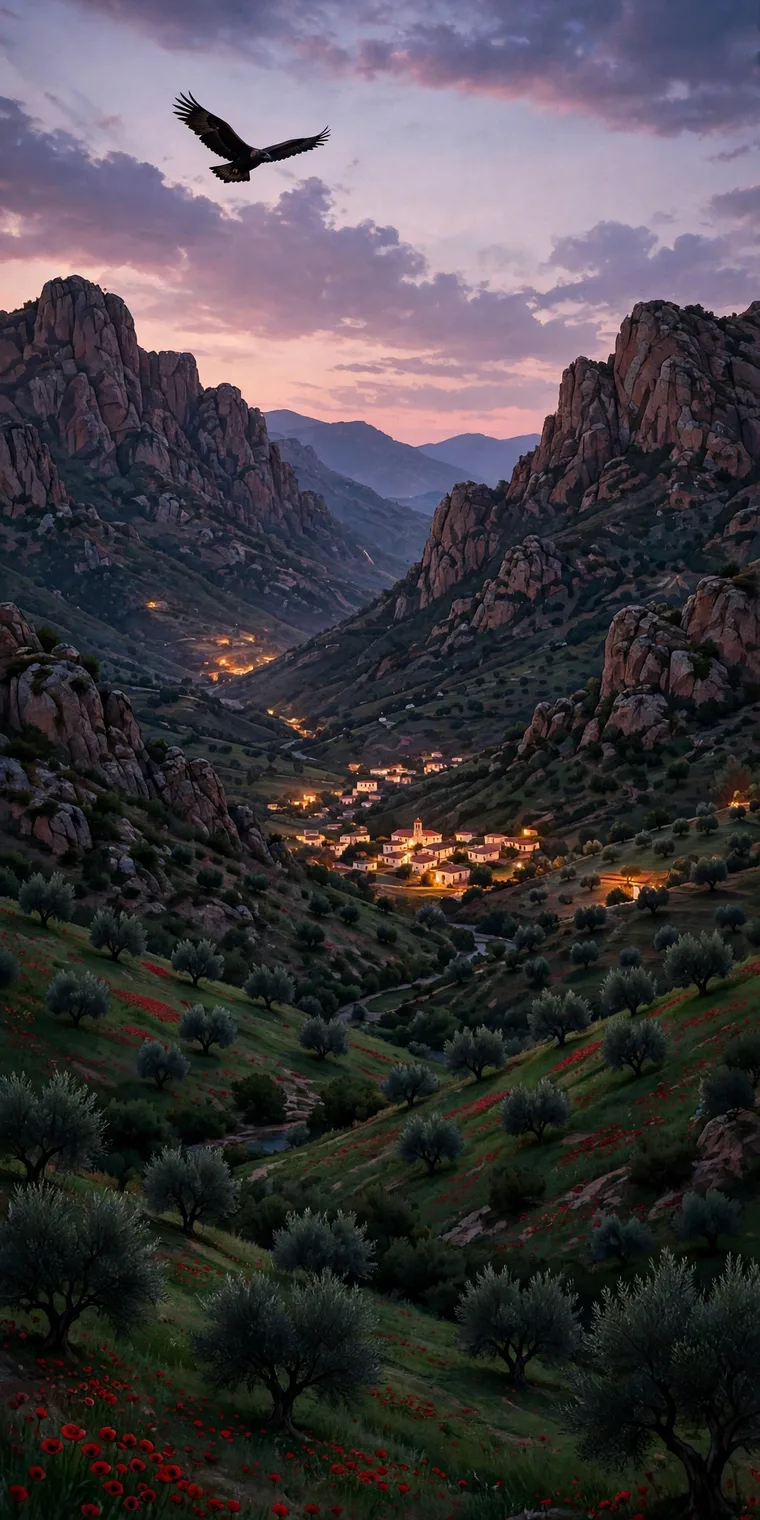
Spain is usually sold as a coastline. The interior tells a different story, and nowhere more forcefully than in the north, where two mountain ranges rise within a few hours of the sea and yet feel like another continent. The Picos de Europa, straddling Asturias, Cantabria and León, and Ordesa y Monte Perdido in the Aragonese Pyrenees are the oldest jewels in Spain's network of 16 national parks — both declared in 1918. These are not gentle hills. They are massifs where a valley floor can sit at 300 metres and a summit above it at 2,600 metres. That compression — of altitude, climate and habitat — is what makes them extraordinary.
Picos de Europa: A Range That Rises Straight From the Sea
The Picos are visible from the Cantabrian coast on a clear day, a white and grey wall floating behind green pasture. Drive inland and the road begins to twist, the meadows narrow, and the rock takes over. The range is divided into three massifs — Western, Central and Eastern — separated by gorges carved by the Cares, Deva and Sella rivers.
The rock is Carboniferous limestone, laid down under an ancient sea more than 300 million years ago, then lifted and shattered. Rain has done the rest: the Picos are honeycombed with shafts and underground rivers, some caves dropping more than 1,500 metres. On the surface are jous — hollows where snow lingers into summer — and towers that change colour from dawn pink to storm grey in an hour.
The highest summit, Torre Cerredo, reaches 2,650 metres. That is not high by Alpine standards, but altitude misleads here. Because the range starts so low and stands so close to the Atlantic, its weather is oceanic and violent. Cloud pours over the ridges, rain is frequent even in August, and a walk that begins in t-shirt weather among chestnut trees can end in sleet beside a snow patch. Local guides say: check the forecast for the hour, not the day.
That wetness is also the secret of the place. The northern slopes are green — beech and oak forest, meadows cut for hay — while the southern side, in León, is drier, with juniper and high pasture, all within a park of about 67,000 hectares and a UNESCO Biosphere Reserve.
The Gorge, the Eagles and the Bears
If one walk defines the Picos, it is the Ruta del Cares, a path blasted into the cliff to maintain a hydroelectric channel between Poncebos in Asturias and Caín in León. Twelve kilometres each way, it follows a gorge up to 1,500 metres deep, on a ledge sometimes only two metres wide, through tunnels and over bridges where the river roars far below. Leave the Cares at Caín and climb toward the Vega de Ario or the glacial lakes of Covadonga — Enol and Ercina — and the crowds vanish.
Above you, golden eagles and griffon vultures ride the thermals, Egyptian vultures still breed, and chamois pick their way across slopes that look impassable.
And then there are the bears. The Cantabrian brown bear is a distinct population, separated from Pyrenean bears for thousands of years. By the 1990s it had fallen to perhaps 50 to 65 animals in two isolated subpopulations. Hunting bans, habitat protection, anti-poaching patrols and compensation for livestock losses have allowed a slow recovery. Recent counts put the Cantabrian population at more than 350 bears, with females with cubs now recorded in areas unoccupied for decades.
You are unlikely to see one — they are shy, mostly nocturnal, and excellent at avoiding people — and that is precisely the point. Knowing they are there changes how a forest feels. Rangers advise making a little noise on blind bends, never approaching cubs, and keeping dogs close. The bear's return is Spain's quietest conservation success, less publicised than the lynx in the south but just as significant.
Ordesa: The Pyrenees at Their Most Theatrical
East along the northern mountains, the Pyrenees form Spain's border with France for more than 400 kilometres. Their Spanish national park, Ordesa y Monte Perdido, protects about 15,600 hectares in Huesca, Aragón, centred on Monte Perdido itself — at 3,355 metres, the third-highest peak in the Pyrenees and the highest limestone summit in Europe.
The park's fame rests on its valleys. Ordesa, Añisclo, Escuaín and Pineta are glacial troughs cut into limestone and deepened by rivers, each with a different character. Ordesa Valley is the classic: a flat, beech-wooded floor enclosed by walls up to 900 metres high, banded in ochre, grey and rust, ending in the Circo de Soaso and the Cola de Caballo waterfall beneath Monte Perdido. The walk up the valley, past the cascades of Arripas, Cueva and Estrecho, is 17 kilometres return and deserves its reputation. On an autumn morning, when the beeches turn gold and the first snow dusts the rim, it is as fine a valley walk as Europe offers.
Añisclo is wilder — a narrow, shaded canyon where few paths venture far. Escuaín is a stronghold of the bearded vulture, or quebrantahuesos, the bone-breaker that drops marrow bones onto rock slabs from height. Pineta looks up to Monte Perdido's hanging glaciers — now shrinking fast, a visible marker of a warming climate.
Ordesa was declared a national park in 1918 for its ibex. The Pyrenean ibex, or bucardo, was already rare then; the last animal was found dead in 2000, and the subspecies was declared extinct. Protection came too late for one animal. For others — the bearded vulture, the chamois herds in the high cirques, the marmots whistling from boulder fields — it came just in time.
Walking Them Well
Both parks reward walkers who respect their seriousness. The GR-11 passes through Ordesa. In the Picos, the Anillo de Picos links refuges such as Vega de Urriellu beneath the Naranjo de Bulnes, a limestone monolith that is to Spanish climbers what the Matterhorn is to Swiss ones. Go in late spring for flowers and full waterfalls, in September for colour and quieter trails. Thunderstorms build fast, and limestone is treacherously slippery when wet.
What unites Picos and Ordesa is continuity. Shepherds still move flocks to high pasture and make cheese — Cabrales and Gamonéu in the Picos, aged in limestone caves. Villages such as Torla, Bulnes and Sotres are not resorts imposed on wilderness, but communities that lived from this hard land long before it was protected. The park signs mark the point where Spain decided a working mountain landscape was worth keeping whole — towers, canyons, bears and all.
© 2026 InsideRealSpain.com