Where the Lynx Came Back: Doñana's Wetlands and the Wildlife That Refused to Vanish
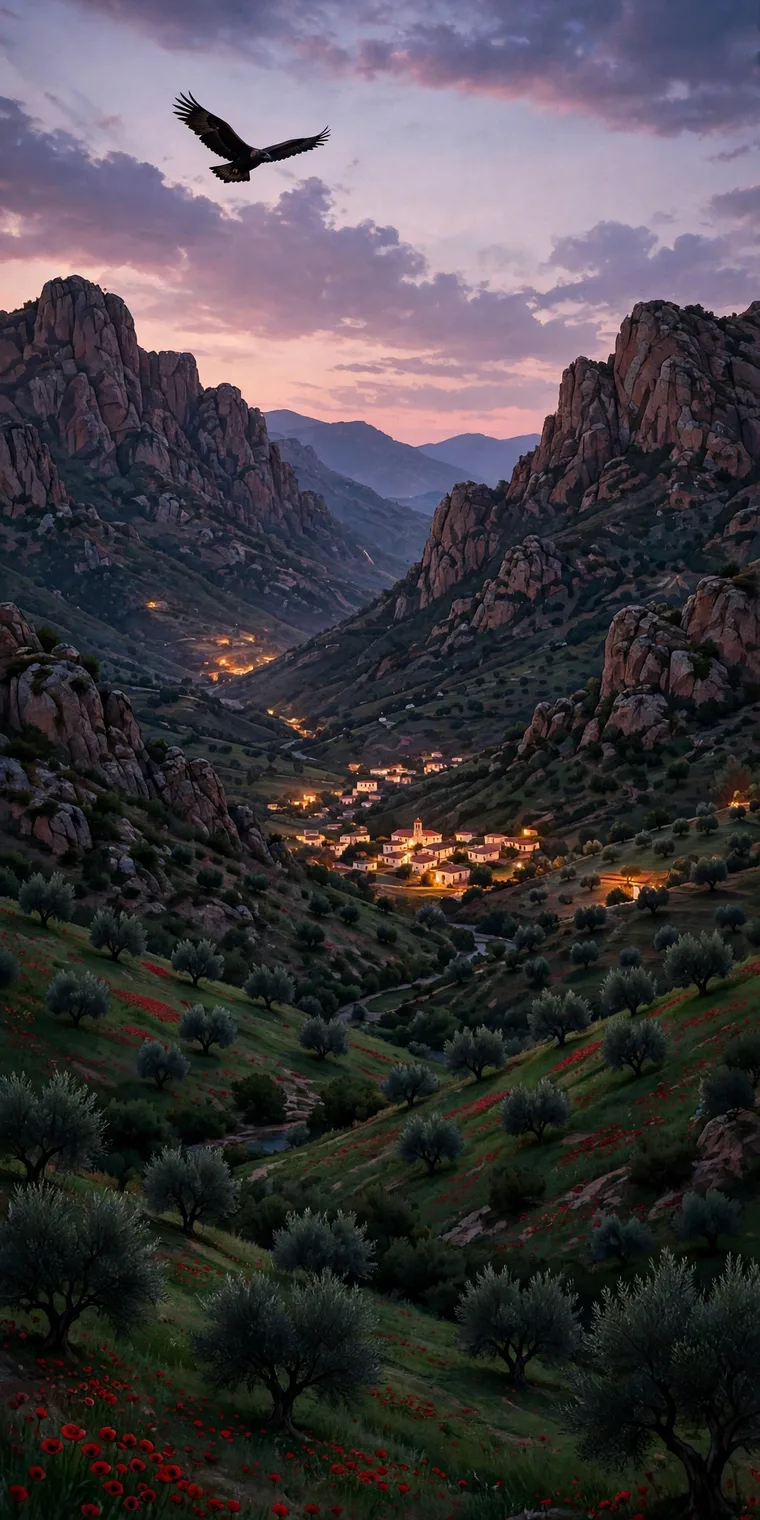
At the start of this century, the Iberian lynx was the most endangered cat on Earth. Surveys in 2002 counted fewer than 100 animals left in the wild, in just two isolated pockets of southern Spain. Extinction was not a warning. It was a timetable. Today there are more than 2,000 Iberian lynx in the wild across Spain and Portugal, and in 2024 the species was moved from Critically Endangered to Vulnerable on the IUCN Red List — a change conservationists called historic. One of the two places that held the line when numbers were at their lowest was Doñana.
To understand why, you first have to understand Doñana itself: a shifting mosaic at the mouth of the Guadalquivir in Andalusia, where Europe meets Africa and fresh water meets the tide.
A Delta That Refuses to Sit Still
Doñana National Park, declared in 1969 and covering about 54,000 hectares, with a surrounding natural park that more than doubles the protected area, sits across the provinces of Huelva, Seville and Cádiz. Its heart is the marisma — a floodplain of clay that fills with winter rain, teems with life in spring, and cracks into dry mud by August. Around it lie mobile dunes marching inland from the beach, burying pine trees as they go; stable sands covered in cork oak, stone pine and Mediterranean scrub; and a 30-kilometre beach with no town and no promenade.
Nothing here is permanent, and that impermanence is the ecology. A lagoon that held flamingos in April may be dust in September. When the marisma floods, it draws wintering birds from across northern Europe — greylag geese in their tens of thousands, pintail and godwits fresh from Iceland. When it dries, storks, herons, spoonbills and glossy ibis gather in the shallows.
Doñana is a UNESCO World Heritage Site and a Ramsar wetland. Stand at El Acebuche at dawn, watch mist lift off a lagoon while a booted eagle circles over the pines and lynx tracks cross in the sand, and the place feels like a glimpse of what the Mediterranean coast once was before it was drained and built on.
The Cat in the Scrub
The Iberian lynx is smaller than its Eurasian cousin — adults typically weigh 9 to 13 kilograms — with long legs, a short tail tipped in black, tufted ears and distinctive cheek ruffs. Its coat is tawny and spotted, each pattern unique. It is a specialist, and specialists are vulnerable. More than three-quarters of its diet is a single species: the European rabbit.
That explains the crash. Myxomatosis in the 1950s and rabbit haemorrhagic disease in the late 1980s devastated rabbit populations across Iberia. Add habitat fragmentation, road deaths and illegal trapping, and the lynx was pushed to the edge. In Doñana, the population hovered for years at only a few dozen animals, hemmed in between farmland, roads and the sea.
The recovery programme — EU LIFE projects coordinated nationally — attacked every cause at once. Captive breeding centres, first at El Acebuche in Doñana itself, produced cubs for release. Rabbits were bred, vaccinated and restocked, and scrub was managed to create the patchwork of cover and open hunting ground that both rabbits and lynx need. Wildlife crossings and fencing were built on roads that had killed so many animals. Landowners and hunting estates, initially wary, were brought into stewardship agreements; a lynx territory became a point of pride rather than a restriction. Releases expanded the map beyond the two original nuclei — to Sierra Morena, the Montes de Toledo, Extremadura, Murcia and across the border into Portugal.
Doñana's role is double. It was a refuge, one of the last two places the cat survived. And it was a laboratory, where the techniques that saved the species were first worked out. Lynx here are watched intensely — camera traps, GPS collars, identification by spot pattern — yet they remain difficult to see. Most visitors on the guided routes will see tracks and, with luck, a distant spotted shape slipping into scrub at dusk. That elusiveness is part of the success. This is a wild population again, not an exhibit.
More Than One Icon — and One Hard Question
Doñana is also one of Europe's most important breeding sites for the imperial eagle, another Iberian endemic that came close to extinction — down to about 38 pairs in the 1970s — and has recovered to several hundred pairs. Look for its white shoulders over the cork oaks, and for black vultures drifting over the same trees. On the ground, red and fallow deer graze between scrub and marsh, wild boar root in the damp edges, and marismeño horses still range the floodplain, rounded up each June in the Saca de las Yeguas at Almonte, a spectacle that predates the park by centuries.
The park's great unresolved question is water. Doñana depends on rain and on the aquifer beneath surrounding farmland, because the Guadalquivir's historic inputs to the marisma were diverted long ago. Intensive berry farming around the park, some of it using illegal wells, has drawn that aquifer down; drought years, increasingly frequent, now leave lagoons that were once permanent dry for consecutive seasons. In 2023 UNESCO and the IUCN urged stronger action, and authorities have since negotiated farmland buyouts and well closures around the park. Whether those measures arrive fast enough, in a changing climate, is the central debate in Spanish conservation today. The lynx came back because people intervened in time. The water will test whether they can do so again.
El Rocío and the Human Shore
No account of Doñana is complete without El Rocío, the village on the park's edge where the streets are sand and the sanctuary draws close to a million pilgrims at Pentecost in the Romería del Rocío, arriving across the very landscapes the park protects. Conservation here has never meant emptying the land of people. It has meant negotiating between pilgrimage, farming, tourism and wildlife on a finite delta.
Visit in winter for the geese and the flooded marisma, or in spring for breeding birds and the best chance of lynx activity. Take the route, bring binoculars, and give the place time. Doñana does not perform on demand. It reveals itself in layers — a spoonbill flock turning over a lagoon, an imperial eagle lifting from a cork oak, a line of lynx prints crossing your own in the morning sand. The rarest cat in the world was supposed to disappear here. Instead, here is where Spain learned how to bring it back.
© 2026 InsideRealSpain.com