Ten Days, Five Cities: The Classic Madrid-to-Granada Route That Actually Works
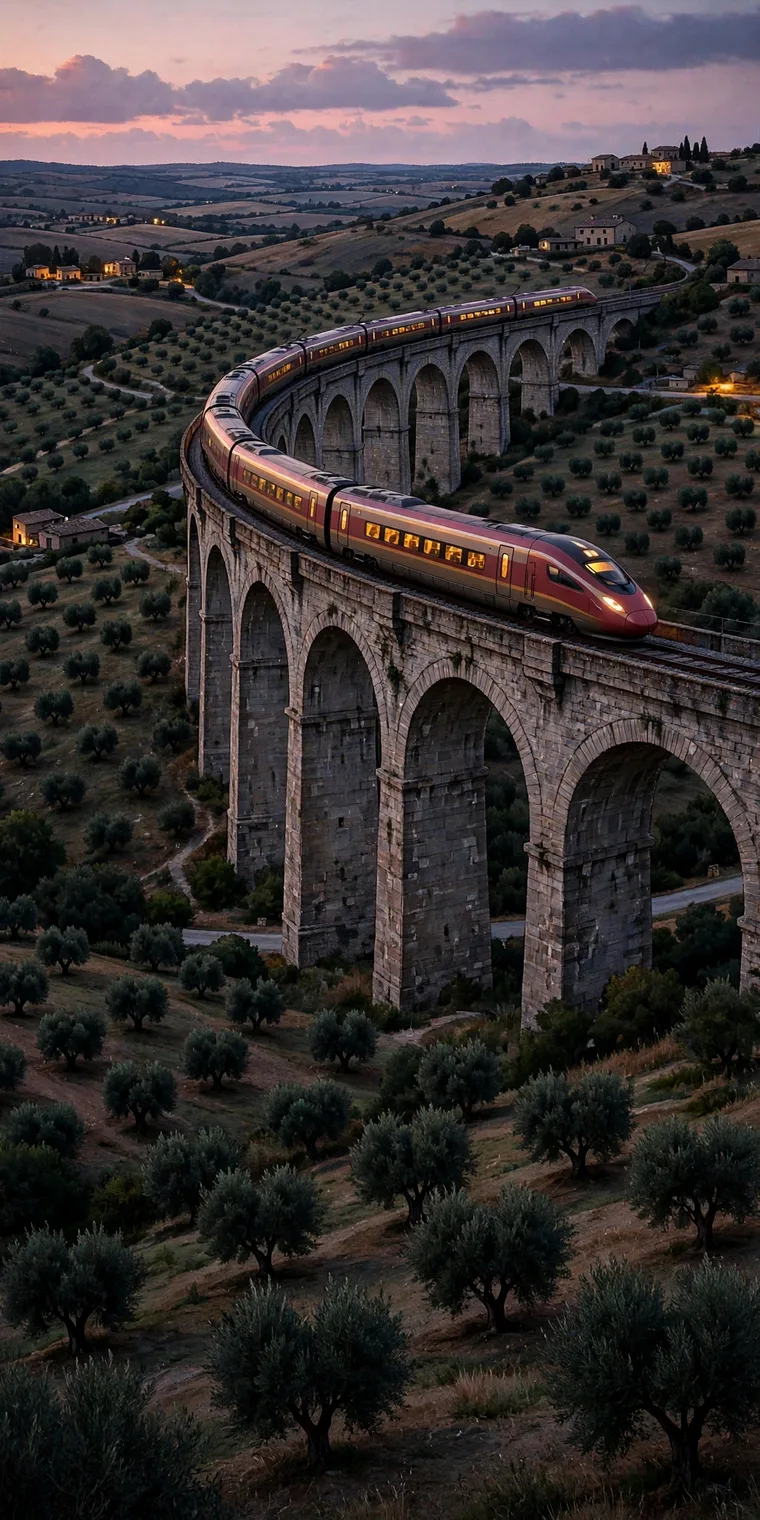
Every first trip to Spain tries to solve the same puzzle: too much country, too little time, and a fear of missing the place everyone will ask about when you get home. The classic southern route solves it — Madrid, Toledo, Córdoba, Seville and Granada in ten days — because it follows the grain of the country. The AVE threads the cities together in order, and the story deepens as you go south: imperial capital, Islamic Córdoba, Seville at full flamenco volume, and finally the Alhambra under the Sierra Nevada.
Days 1–3: Madrid, Without Rushing the Capital
Give Madrid three nights. Visitors who give it one almost always leave underrating it.
Day one is for orientation, not monuments. Shake off the journey in the Retiro Park, walk Gran Vía and the literary quarter of Las Letras, and eat late, as Madrid does. Day two belongs to art: the Prado in the morning, for Velázquez, Goya and Bosch, then either the Reina Sofía — home to Picasso's Guernica — or the Thyssen-Bornemisza. All three in one day is practically ruinous. Choose two.
On day three, visit the Royal Palace in the morning, then spend the afternoon in a neighbourhood: Malasaña for vintage shops, Chamberí for residential Madrid, or La Latina on a Sunday for the Rastro flea market and a long tapas lunch. Book museum entry online in advance.
Lean into Spanish hours. Lunch is the main meal, roughly 1:30 to 3:30 p.m.; dinner rarely starts before 9 p.m. A substantial menú del día at lunch and a light tapas dinner matches both your energy and the city's rhythm.
Day 4: Toledo, the Day Trip That Earns a Night
Toledo is only 33 minutes from Atocha, Spain's most tempting day trip — and the case for staying overnight is stronger than most people realise. Day-trippers crowd the old town between about 11 a.m. and 5 p.m. Stay, and you get Toledo at dawn and after dark, when the lanes empty and the floodlit Alcázar looks as dramatic as the city El Greco painted.
The essentials are the Cathedral — one of Spain's great Gothic buildings, with a sacristy full of El Grecos — the former synagogue of Santa María la Blanca, and the church of Santo Tomé, where El Greco's Burial of the Count of Orgaz hangs where it was painted. Toledo's fame as the city of three cultures — Christian, Muslim and Jewish — is not a slogan; you can read it in the architecture within a ten-minute walk.
Get lost deliberately. The old town is a labyrinth, and its pleasures are often unmarked: a damascene workshop, marzipan from a convent shop, a sudden view over the Tagus gorge. Buy train tickets ahead in high season; Toledo trains sell out at weekends.
Days 5–6: Córdoba, More Than a Mosque
From Toledo you return through Madrid, then take the AVE south, about one hour and forty minutes to Córdoba. Two nights transform it from stopover into a chapter.
The Mezquita comes first, early in the day. The vast hall of red-and-white arches, with a Renaissance cathedral rising improbably from its centre, is unlike anything else in Europe. Book the first entry you can, then look slowly: the mihrab's gold mosaics, and how the arches change as the building grew over two centuries.
Afterwards, cross the Roman Bridge at sunset, explore the Jewish Quarter and its medieval synagogue, and in May time everything around the Fiesta de los Patios, when residents open their flower-filled courtyards. Eat salmorejo — Córdoba's thick tomato soup topped with jamón and egg — and try flamenquín, the local fried pork and ham roll, at least once.
Córdoba is also your first encounter with Andalusian heat. Adopt the pattern for the rest of the trip: sights early, long lunch, shade in the late afternoon, city again after 8 p.m.
Days 6–8: Seville, the Emotional Centre
The train from Córdoba to Seville takes about 45 minutes — barely time to finish a coffee — yet the change is unmistakable. Seville is warmer, louder and more ornamental, and for many travellers it becomes the city they talk about years later. Give it three nights if you can; two is the minimum.
The Cathedral — the largest Gothic cathedral in the world — and its Giralda tower, a former minaret climbed by ramps, anchor day one, with the Real Alcázar next door. That palace, still used by the royal family on visits, layers Mudéjar plasterwork, tiled courtyards and gardens where peacocks wander. It is the most book-ahead sight on this route: reserve on the official site as soon as dates are firm.
Balance monuments with public life. Walk the river to the Torre del Oro, cross into Triana — the potters' and flamenco quarter, still proud and distinct — and browse its ceramics shops and market. Spend an evening in the Barrio de Santa Cruz, the former Jewish quarter of narrow lanes and orange-tree plazas. See flamenco in a small tablao rather than a dinner show, and give Plaza de España, built for the 1929 Ibero-American Exposition, at least an hour, early or late for the light.
Days 9–10: Granada, and the Alhambra Last
Ending in Granada is dramaturgically right. After Seville's exuberance, Granada feels cooler and more melancholic — a university city in the foothills of the Sierra Nevada, the last capital of Islamic Spain. The train from Seville takes around two and a half to three hours.
The Alhambra must be booked before almost anything else. Nasrid Palaces entry is timed, and in peak months slots disappear weeks, sometimes months, ahead. Book only through official Patronato de la Alhambra channels, bring the identification you booked with, and allow half a day: the palaces for carved plaster and tilework, the Alcazaba for views, the Generalife for gardens and water.
Then walk. Climb the Albaicín, the old Moorish quarter, to the Mirador de San Nicolás for the view back to the Alhambra against the mountains — best at sunset, busiest then too, so arrive early. Visit the Royal Chapel, where Ferdinand and Isabella are buried, and use Granada's free-tapas tradition wisely: in many bars a drink still comes with a small tapa included, so order one round at a time.
Fly home from Granada via Madrid, or take the train back — about three and a half hours. Do not schedule a same-morning dash to a transatlantic flight; spend a final night in Madrid instead. Ten days, five cities, no car, no wasted transfers — simply follow the line south, and let Spain get more southern with every stop.
© 2026 InsideRealSpain.com