Seventeen Spains: A Traveler's Guide to the Countries Within a Country
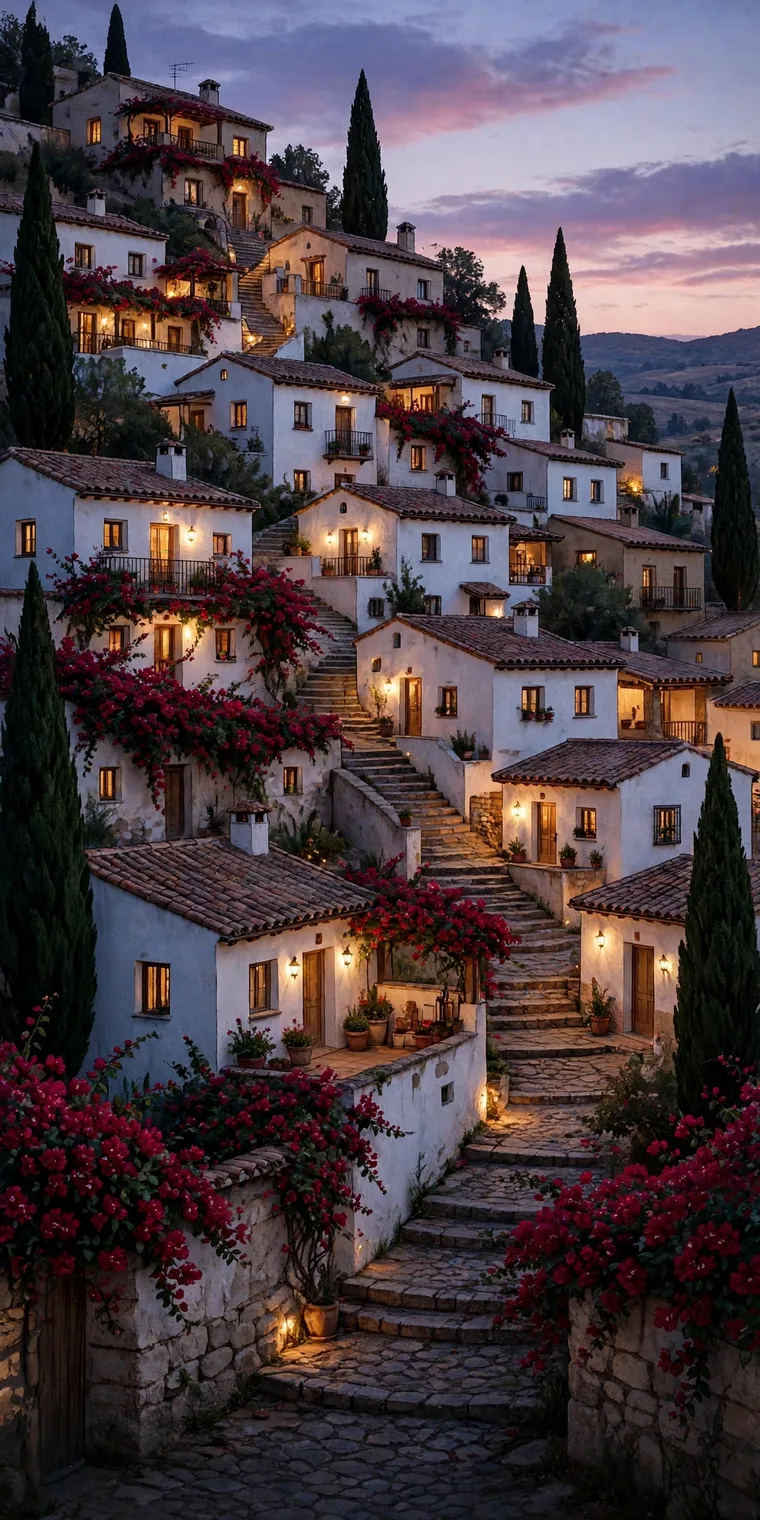
Ask a Spaniard where they are from and listen carefully. They will rarely say simply "Spain." They will say they are Galician, or Catalan, or Andalusian, or Basque — with a pride older and more local than Spain itself. Spain is seventeen autonomous communities, plus the autonomous cities of Ceuta and Melilla on the North African coast, stitched together by history, war, and negotiation into a single state that contains multitudes.
That diversity is not a slogan. It is visible within an hour's drive and unmistakable on the plate in front of you. The green hills of the north have almost nothing in common with the sun-baked plains of the south. The bagpipes heard in Galicia would sound foreign in Seville. Once you stop looking for a single, essential Spain, the real country appears.
A Map Drawn by History
The modern map dates from the Constitution of 1978, after the death of Francisco Franco and nearly forty years of centralized dictatorship. Under Franco, regional languages were suppressed and power concentrated in Madrid. The democratic settlement did the opposite: it devolved real power — over education, health, and cultural policy — to the regions. Catalonia, the Basque Country, and Galicia were recognized as historic nationalities. Others were newer creations, assembled from provinces that had never formed a single political unit.
The result, the Estado de las Autonomías, is asymmetrical and constantly negotiated. The Basque Country and Navarre collect their own taxes under ancient fueros, or charters, that predate the modern state. Catalonia has its own police force, the Mossos d'Esquadra. The Canary Islands, closer to West Africa than to mainland Europe, keep a different time zone. For the traveler, the lesson is to plan by region, not by country. A week in the Basque Country and a week in Andalusia are two different trips that happen to share a currency.
The North: Green Spain
The northern fringe, España Verde — Green Spain — runs along the Cantabrian coast from Galicia through Asturias and Cantabria to the Basque Country. This is Atlantic Spain: wet, lush, and Celtic in a way that surprises visitors expecting flamenco and dry heat.
Galicia is a land of rías, deep fjord-like inlets, granite villages, and pilgrims walking the Camino de Santiago to Santiago de Compostela. Galician, or galego, closely related to Portuguese, is heard everywhere outside the big cities. The food follows the sea: octopus dusted with paprika, scallops, and Albariño wine.
Asturias calls itself a natural paradise and undersells it. The Picos de Europa rise almost straight from the coast, and the regional drink is cider, poured from a great height in a ritual called the escanciado. Cantabria is quieter, known for the prehistoric paintings at Altamira. The Basque Country changes the register again: Euskara, a language related to no other living language on earth, and arguably the most concentrated culinary excellence in Europe, from the pintxos bars of San Sebastián to Bilbao and its Guggenheim Museum.
The Mediterranean Arc
Down the eastern coast, three communities share the Mediterranean and, in different forms, a language family. Catalonia is the economic powerhouse of the northeast, with Barcelona as its restless capital. Catalan is not a dialect of Spanish; it is a separate Romance language, spoken also, in variants, in Valencia and the Balearic Islands. The culture is famously both seny and rauxa — common sense and sudden creative outburst — visible in everything from Antoni Gaudí's architecture to the castells, the human towers built at town festivals.
The Valencian Community speaks Valencian, its own variant of the same family — a distinction its people will explain firmly if you get it wrong. This is the home of paella in its strict, original form: cooked over orange wood, with rabbit, chicken, and beans, never the mixed seafood inventions sold elsewhere. In March, Valencia builds enormous satirical sculptures for Las Fallas and then burns them in a single night. The Balearic Islands — Mallorca, Menorca, Ibiza, and Formentera — each resist confusion with the others: Mallorca's Serra de Tramuntana and honey-colored villages, Menorca's quiet green, Ibiza's rural interior behind the party reputation, tiny Formentera pared back to essentials.
The Center and the South
The vast interior plateau, the Meseta, defines another Spain. Madrid, a community in its own right, is populated by people from every region, and its genius is absorption: everyone there is from somewhere else. Around it, Castilla y León is a high, austere land of Romanesque churches and monumental cities — Salamanca, Burgos, Segovia with its Roman aqueduct, Ávila ringed by medieval walls. This is the Castile that gave Spanish, castellano, its name. Castilla-La Mancha is Don Quixote country: windmills, saffron, and Manchego cheese under enormous skies. Extremadura rewards slow travel with Roman Mérida, medieval Cáceres, and the dehesa, the oak pastureland where Iberian pigs roam. Aragón stretches from the Pyrenees to the Ebro valley, with Mudéjar brick architecture — Christian Spain building in an Islamic-influenced style.
Andalusia, the largest community by population, supplies most of the world's shorthand images of Spain: flamenco, white villages, Moorish palaces, sherry, endless olive groves. They are real, but Andalusia is eight provinces, from the desert of Almería — the only true desert on mainland Europe — to the Atlantic surf of Cádiz, from snow on the Sierra Nevada above Granada to the wetlands of Doñana. Its eight centuries under Muslim rule left an inheritance no other region can match.
The islands complete the seventeen. The Canaries are volcanic, subtropical, and geologically African, each different: Lanzarote's black lava fields, La Palma's green caldera, El Hierro's experiment in renewable energy. La Rioja, the smallest mainland community, proves size means little: one province, world-famous for wine. Navarre balances Basque-speaking northern valleys, the running of the bulls at San Fermín in Pamplona, and dry southern plains.
How to Travel a Country of Countries
Learn a few words of the local language where there is one. A greeting in Catalan in Girona, in Galician in Santiago, or in Basque in San Sebastián is not a party trick. It is recognition that you understand where you are. Eat regionally, and ask how a dish is made there — the answer will always be that the neighboring region does it wrong.
Above all, resist collecting all seventeen in one frantic tour. Spain rewards depth over coverage. Choose one community, learn its rhythms and its appetites, and you will understand more about the whole country than a dozen whistle-stop itineraries could teach you. Together, in all their stubborn, delicious variety, the seventeen Spains are Spain.
© 2026 InsideRealSpain.com