The Emptying: Inside La España Vaciada and the Villages Fighting to Come Back
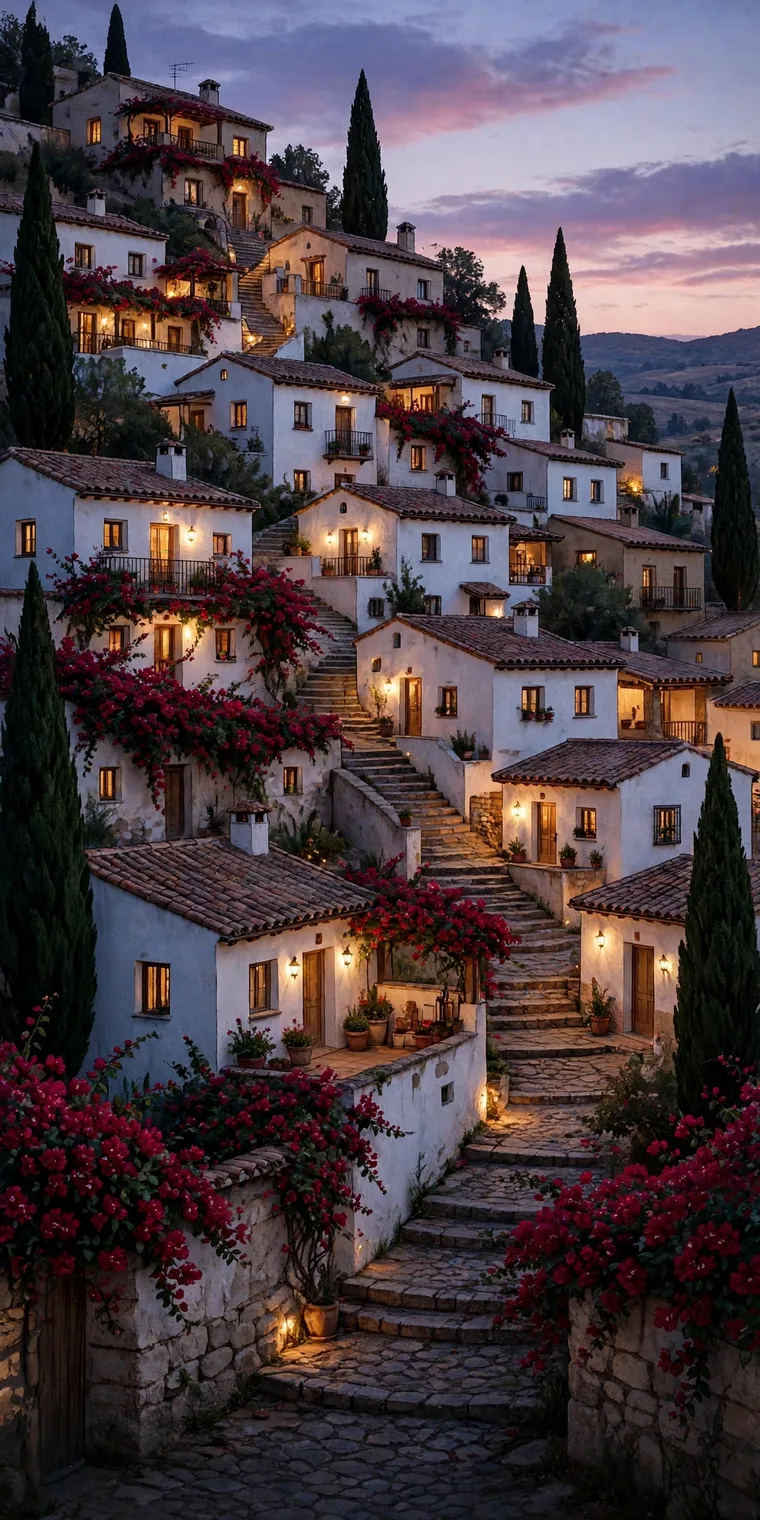
Drive two hours inland from almost any Spanish coast and the country changes its sound. The traffic thins, the new apartment blocks disappear, and the villages grow quieter — some of them very quiet indeed. A bar open three days a week. A school with nine pupils, or no school at all. Houses with collapsed roofs beside houses lovingly kept by people in their eighties. This is the España vaciada, "emptied Spain": the vast rural interior that has been losing population for more than half a century, and that has finally forced its way to the center of national politics.
The phrase matters. Locals often prefer vaciada — emptied — to vacía, empty, because their land was not always empty, and it did not empty by accident. It was emptied, they argue, by decades of policy and economics that favored the cities and coasts. However you name it, the numbers are stark. Spain is one of Europe's largest countries, but the great majority of its roughly 48 million people crowd into Madrid, the Mediterranean coast, and the island cities. Huge areas of the interior — in provinces such as Soria, Teruel, Cuenca, Zamora, and Palencia — have population densities below 10 people per square kilometer, figures more often associated with Lapland than with southern Europe. Soria is among the least densely populated provinces in the European Union.
How a Country Emptied
The great departure began in the 1950s and 1960s, under Franco's industrialization drive. Factories in Madrid, Barcelona, the Basque Country, and abroad offered wages that dryland farming could not match. Whole generations left villages in Castile, Aragón, Extremadura, and Galicia's interior. Spain urbanized at extraordinary speed, and village schools and shops built for hundreds began serving dozens.
What followed was slow compounding. When young people leave, births fall. When births fall, the school closes. When the school, the doctor, the bus, and the bank branch close — each closure justified by the last — more families leave. Mechanization meant the land needed fewer hands. Thousands of villages lost their last resident entirely; thousands more survive with a handful of elderly people and a summer population that fills the streets for two weeks in August and then goes again.
It would be wrong to paint this only as loss. The migration built modern Spain and freed many — especially women — from punishing rural poverty. Older Spaniards who left rarely romanticize the village they escaped. The problem is the imbalance left behind: an interior of extraordinary beauty and agricultural wealth struggling to maintain the services that make staying possible.
From Grievance to Political Force
For decades, interior Spain complained quietly. Then it organized. In 2019, the platform Teruel Existe — "Teruel Exists," founded twenty years earlier to demand investment for one of Spain's most overlooked provinces — helped spark coordinated protests under the banner of the España Vaciada, bringing tens of thousands into the streets of Madrid. The movement's demand was not nostalgia. It was equality: broadband, transport, health care, and a fair share of public investment for citizens who pay the same taxes as everyone else.
Politics followed. Citizen platforms from the emptied provinces began contesting elections themselves, and in 2021 and 2022 España Vaciada candidates won seats in the national parliament — a remarkable result for movements built village by village. Governments of both main parties have since created ministries and plans for the "demographic challenge," with measures ranging from rural broadband programs to tax incentives for businesses and residents in the least populated areas. Progress is uneven, and skepticism in the villages is deep — they have heard promises before — but the interior is no longer politically invisible. That, veterans of the movement say, is the first victory.
The Villages Fighting Back
The most hopeful stories are local, practical, and rarely dramatic. Across the interior, villages are experimenting with ways to attract and keep people, and their methods say a lot about what newcomers actually need: a house they can afford, work they can do remotely or locally, a school that stays open, and a connection — digital and human — to the wider world.
Some towns offer serious incentives: cheap or subsidized housing, renovation help, and bonuses for families with children, from well-publicized schemes in Teruel and Palencia to villages that simply match empty houses with would-be residents. Others have built coworking spaces in old schools, betting that post-pandemic remote workers — including returners with family roots in the village — can now live where their grandparents had to leave. Programs hosting prospective residents for a trial month have produced real relocations because they replace fantasy with information.
Farming is being reimagined, too. Young growers are reviving abandoned terraces and groves, building small brands around saffron, truffles, wine, cheese, and olive oil that sell quality rather than volume. Rural tourism — walking, birdwatching, stargazing under some of Europe's darkest skies — gives villages income without demanding they become resorts.
There are also newcomers of a different kind: immigrants from Latin America, Romania, Morocco, and elsewhere who have settled in depopulated villages, reopened bars and shops, and enrolled children in schools that were about to close. In town after town, the school stayed open because new families — wherever they were born — arrived.
What a Visitor Should Understand
Travelers can be part of this story, carefully. The emptied interior holds some of Spain's finest landscapes, Romanesque churches, and walking country, and spending in a village bar, bakery, and casa rural is real money in a fragile economy. Stay overnight rather than photographing and leaving. Buy the local cheese, oil, or wine at the source. Travel outside August, when villages are at their emptiest and your presence matters most.
But go with respect for what these places are not. They are not open-air museums, nor problems waiting for outsiders to solve. The people fighting for a village's future — mayors doing four jobs, teachers defending a school of seven pupils, families betting their lives on a reopened workshop — are doing serious, difficult work. The best a visitor can do is arrive curious, spend locally, and listen more than they pronounce.
La España vaciada is, in the end, a question every rich country faces in its own geography: what is owed to the places most people left? Spain is answering it late, unevenly, and with real energy — village by village, school by school, house by reopened house. Drive inland and you will see the emptiness. Look closer, and you will see the fight.
© 2026 InsideRealSpain.com