Sleeping in History: Inside Spain's Paradores, the State-Run Hotels in Castles and Palaces
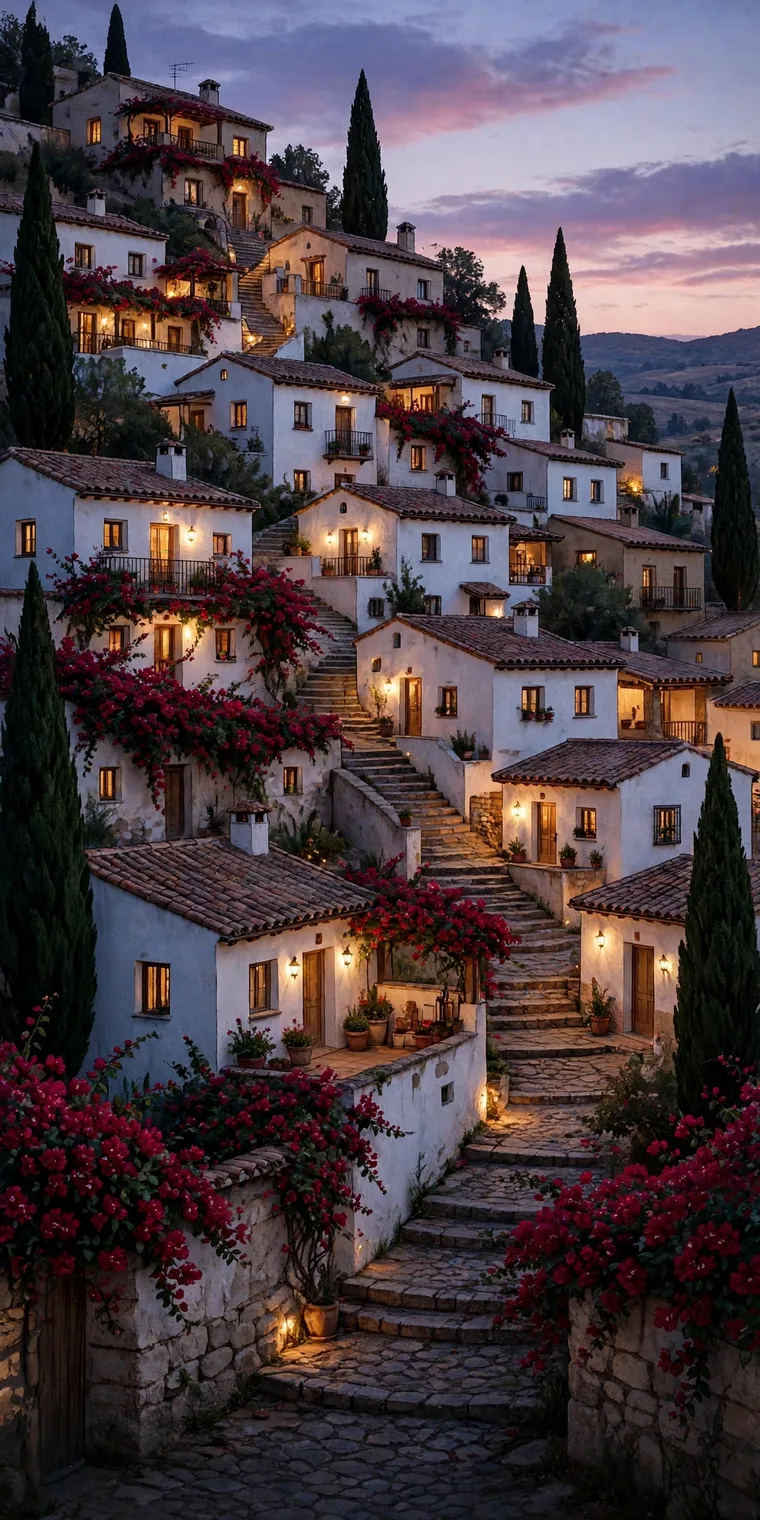
There is a hotel in Spain where you sleep inside a tenth-century castle above a frontier town, another in a Renaissance palace built for a conquistador's family, another in a monastery whose cloister once housed pilgrims walking to Santiago. They are not private luxury brands. They belong, most of them, to the Spanish state, and they share one name: Paradores.
The network — Paradores de Turismo de España — runs around 97 hotels across every region of Spain. Some are modern buildings in spectacular natural settings. The famous ones are historic: castles, palaces, monasteries, and fortresses rescued from ruin and converted, carefully, into hotels. No other country has anything quite like it at this scale, and for travelers who care about regions and villages, Paradores are often the best address in town — sometimes the only serious one.
An Idea Born to Open Up Spain
The idea dates from the 1920s, when Spain's government wanted both to preserve crumbling monuments and to encourage travel into an interior that few foreigners — and few Spaniards — visited. The first parador opened in 1928 in the Sierra de Gredos, a purpose-built mountain lodge inaugurated by King Alfonso XIII. The formula that followed was elegant: take a historic building at risk, restore it with public money, run it as a hotel to pay for its upkeep, and require its restaurant to champion the cooking of its region.
That triple mission — heritage, tourism, gastronomy — still defines the network. Paradores are a state-owned company and expected to operate commercially, but their founding logic explains why you find four-star hotels in villages that no private chain would touch, and why a parador menu in Galicia reads differently from one in Extremadura. The parador was meant to be a reason to go to a place, and a standard of cooking and comfort once you got there.
The conversions respect their buildings, at least by the standards of hotel design. Rooms may occupy monks' cells, castle keeps, or palace chambers, with thick walls and small windows where history demands them. Public spaces get the grandeur: cloisters become lounges, chapter houses become dining rooms, and courtyards fill with orange trees. Bathrooms and lifts are modern, thread counts are high, but no architect is allowed to pretend the building is new. That friction is the charm.
Five Paradores Worth Planning a Trip Around
Start with Olite, in Navarre. Its parador occupies part of the Palace of the Kings of Navarre, a fairytale fifteenth-century complex of towers and courtyards in a small wine town south of Pamplona. Stained glass, a medieval gallery, and streets of stone houses complete a place that feels staged — except that it is real, and the local rosado wine is excellent.
In Extremadura, the Parador de Trujillo occupies a sixteenth-century convent in a granite town of conquistador palaces, while nearby Cáceres places its parador inside a palace complex in one of Europe's best-preserved old towns. Either makes a perfect base for the dehesa country most visitors skip.
The Parador de Santiago de Compostela, the Hostal dos Reis Católicos, may be the most storied of all. Founded in 1499 by Ferdinand and Isabella as a hospital for pilgrims, it stands on the Praza do Obradoiro facing the cathedral, arranged around four cloistered courtyards. It claims to be among the oldest continuously operating hotels in the world. Even if you stay elsewhere, walk in for a coffee and feel the weight of five centuries of arrivals ending their Camino under its vaults.
In Andalusia, the Parador de Carmona occupies a fourteenth-century Moorish alcázar above a white town east of Seville, with a courtyard fountain and views over the plain that explain the fortress in one glance. Further north, the Parador de Sigüenza, in a vast twelfth-century castle in Guadalajara province, offers the full ramparts-and-great-hall experience, in a town also worth it for its cathedral and its famous Doncel tomb sculpture.
Add the Parador de Alcalá de Henares, in a seventeenth-century convent-school near Madrid with contemporary interiors, and the network's range becomes clear. There is a parador for almost every kind of Spanish journey except a beach resort holiday, which was never the point.
Eating and Staying: What to Expect
Parador restaurants were once, in many small towns, the only place to eat the regional classics done properly, and they still take that role seriously. Expect cocido in Castile, caldereta and Iberian pork in Extremadura, octopus and lacón in Galicia, and local wines poured with pride, often at fair prices. Breakfasts are generous and resolutely Spanish: pan con tomate, churros in some regions, local cheeses and cured meats, and pastries named after the town.
Rates sit in the mid-to-upper range — generally below international luxury chains, above local boutique hotels — and the network rewards planning. Paradores run their own offers, including discounts for advance booking, longer stays, and travelers over 55, and their Amigos de Paradores loyalty program is free to join and genuinely useful. Book historic properties early for weekends and festivals: a castle with forty rooms in a famous village sells out while the modern hotel down the road does not.
A word on character: paradores are not boutique hotels. Service is professional rather than intimate, decor leans classic, and in the grandest buildings your room may be simpler than the public spaces suggest. Travelers who want design-forward minimalism sometimes leave underwhelmed. Those who value place — waking in a monastery in a village they would otherwise never have visited, eating dinner where a chapter of monks once read in silence — tend to become repeat guests for life.
Why Paradores Matter Beyond a Good Night's Sleep
The deeper value of the network is geographic. Paradores redistribute travel. They put high-quality beds and serious restaurants in Teruel, in Soria, in the Pyrenean valleys and the Extremaduran plains — precisely the Spain that struggles to hold population and services — and they give drivers on a regional tour a chain of reliable, characterful stops spaced a few hours apart. A parador-to-parador itinerary is one of the classic ways to cross Spain, and it quietly funds the upkeep of buildings that might otherwise be roofless.
That is the real idea to take away. A parador is not just a hotel in a castle. It is a ninety-year-old argument that heritage should be used, slept in, and eaten in — not merely fenced off and photographed — and that the state can be a surprisingly good innkeeper when the inn is a nation's own history.
© 2026 InsideRealSpain.com