Inside the Three Tercios: How to Read a Corrida Like an Aficionado
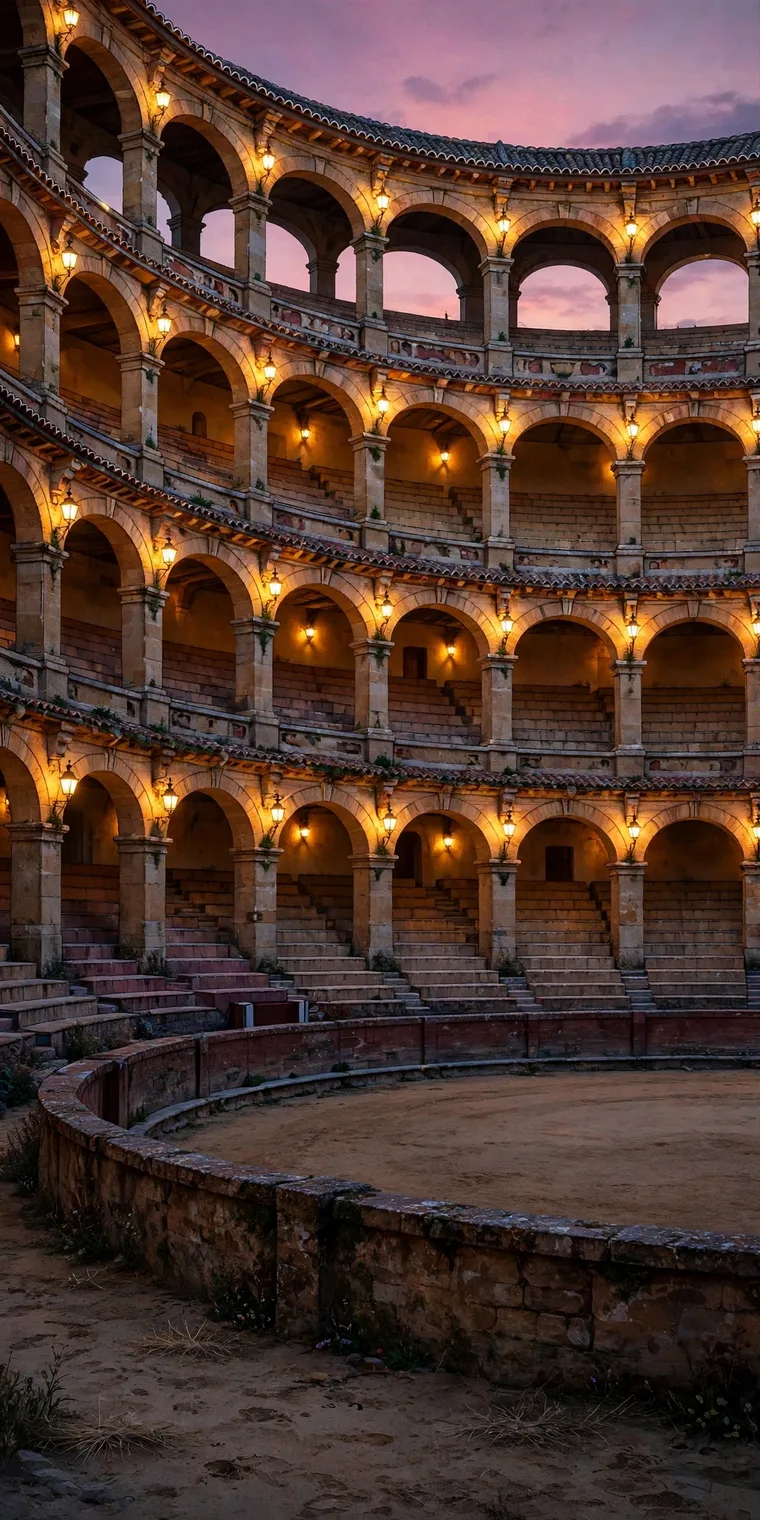
A first-time visitor to a bullring often sees confusion: gold embroidery, padded horses, trumpets, handkerchiefs, sudden silences. An aficionado sees a structure as formal as a sonata. A corrida is divided into three tercios, three acts, each with its own purpose and test. Once you know what each tercio is trying to reveal, the afternoon stops looking improvised. Whether you approve of what follows or not, you can at least read it.
In a standard corrida, six bulls are fought by three matadores, each taking two. Each lidia — one bull from entry to death — lasts roughly fifteen to twenty minutes. The plaza president signals changes with handkerchiefs. The trumpet calls are not decoration. They are punctuation.
Before the First Tercio: The Paseíllo
The formality begins before any bull appears. At the appointed hour comes the paseíllo: the matadores, in order of seniority, cross the sand with their cuadrillas — each typically two picadores and three banderilleros — to salute the president. Seniority fixes the order: the most experienced matador fights the first and fourth bulls, the most junior the third and sixth.
When the toril gate opens, watch the bull's entry. Aficionados judge how it charges, whether it owns the centre or looks for an exit, and how it carries its head. Those seconds set the questions the three tercios will answer.
The First Tercio: Varas — Testing with Cape and Horse
The tercio de varas has two linked purposes: to test the bull's bravery and to moderate its charge so the later work is possible.
First come the cape passes. The matador and his banderilleros meet the fresh bull with the large pink-and-yellow capote. Verónicas, chicuelinas wound close to the body, gaoneras held behind the back — these are partly diagnostic. Does the bull charge straight or hook at the end? Is it stronger on one horn? A bull that charges honestly, repeatedly, and with its head low is showing the qualities breeders prize.
Then the picadores enter. The horse today is heavily padded with a protective peto, a far cry from earlier centuries when horses were frequently killed. The picador applies his vara, a lance with a regulated steel point, to the morrillo, the thick hump at the bull's neck, as it charges the horse.
To a newcomer, this is often the most confronting phase. In the internal logic of the lidia, a correct pic encourages the bull to charge with its head lowered and takes enough of its first explosive strength that a man on foot can work close to it. Too much, and the bull is ruined for the faena. Too little, and it remains dangerously uncorrected. The crowd whistles an excessive pic as loudly as it applauds a brave charge — a bull that returns to the horse a second or third time, pushing hard, is showing bravura in its purest accepted test.
Between the pics come the quites: cape passes by the matadores in turn, partly to draw the bull from the horse, partly as courteous rivalry.
The Second Tercio: Banderillas — Agility and Risk
The second tercio is the fastest and, for many spectators, the most legible. Banderilleros place pairs of banderillas — decorated barbed sticks about seventy centimetres long — into the bull's shoulders while running across its path and leaning over its horns. Three pairs are normally placed.
The matador himself sometimes performs this tercio. More often his banderilleros do the work. A good peón must judge the bull's speed, place the sticks together and high, and exit without being caught. A fraction too slow invites a cornada; a fraction too cautious and the crowd murmurs.
Functionally, this phase revives and settles the bull after the pic and prepares its charge for the final act. It also reveals whether the bull is tiring, becoming defensive — waiting for the man rather than chasing the cloth, a dangerous trait called sentido — or still charging with frankness. A great peón, trusted to make a life-saving quite, holds his matador's life in his hands several times an afternoon.
The Third Tercio: Muleta and Sword — The Faena
The president's signal brings the final tercio, the tercio de muerte. The matador works alone, first dedicating the bull — the brindis — to the president, a guest, or the public as a whole. He exchanges the large cape for the muleta, the smaller red cloth draped over the estoque.
What follows is the faena, the passes that define the afternoon in memory. Beginning passes position the bull, then come linked series — tandas — on the right with derechazos and on the left with naturales, the natural pass considered the purest because the sword is removed from the muleta, so the bull passes closest with less cloth to follow. Experienced audiences prize temple above tricks: slowing the bull's charge to the speed of the cloth, so man and animal move for a few seconds at one tempo.
This is where terms from the stands make sense. Ligar means to link passes without losing position. Mandar means to command the charge. A faena is judged not only by closeness, but by whether the matador understood this bull — its preferred ground, its shortening charge, the moment to kill rather than exploit it for one series too many. Music is part of the judgement: in Seville the band may strike up during a moving faena; in Madrid's Las Ventas there is no music — silence is the compliment.
The faena must end with the sword. The matador profiles himself and goes in over the horns to place the estoque high between the shoulder blades — the estocada. A clean sword, delivered straight rather than stepping aside, earns the deepest respect. Prolonged failure is regarded, within the fiesta's own ethics, as the worst outcome for bull and man alike. Warning trumpets called avisos announce time limits, and a bull not killed within the limit is returned alive — a humiliation for the torero.
Afterwards the crowd petitions for trophies with white handkerchiefs. The president awards one ear, a second for an exceptional performance, rarely the tail. Two ears in Las Ventas may earn exit through the Puerta Grande, carried on shoulders. An exceptional bull may be pardoned — the indulto — and returned to its ranch as a breeding sire.
The drag team removes the bull, the sand is raked, and the next gate opens. The structure begins again, but never identically, because the variable at its centre is a living animal whose character has been revealed, tercio by tercio.
© 2026 InsideRealSpain.com