The Bull Before the Bullring: Life on the Dehesa
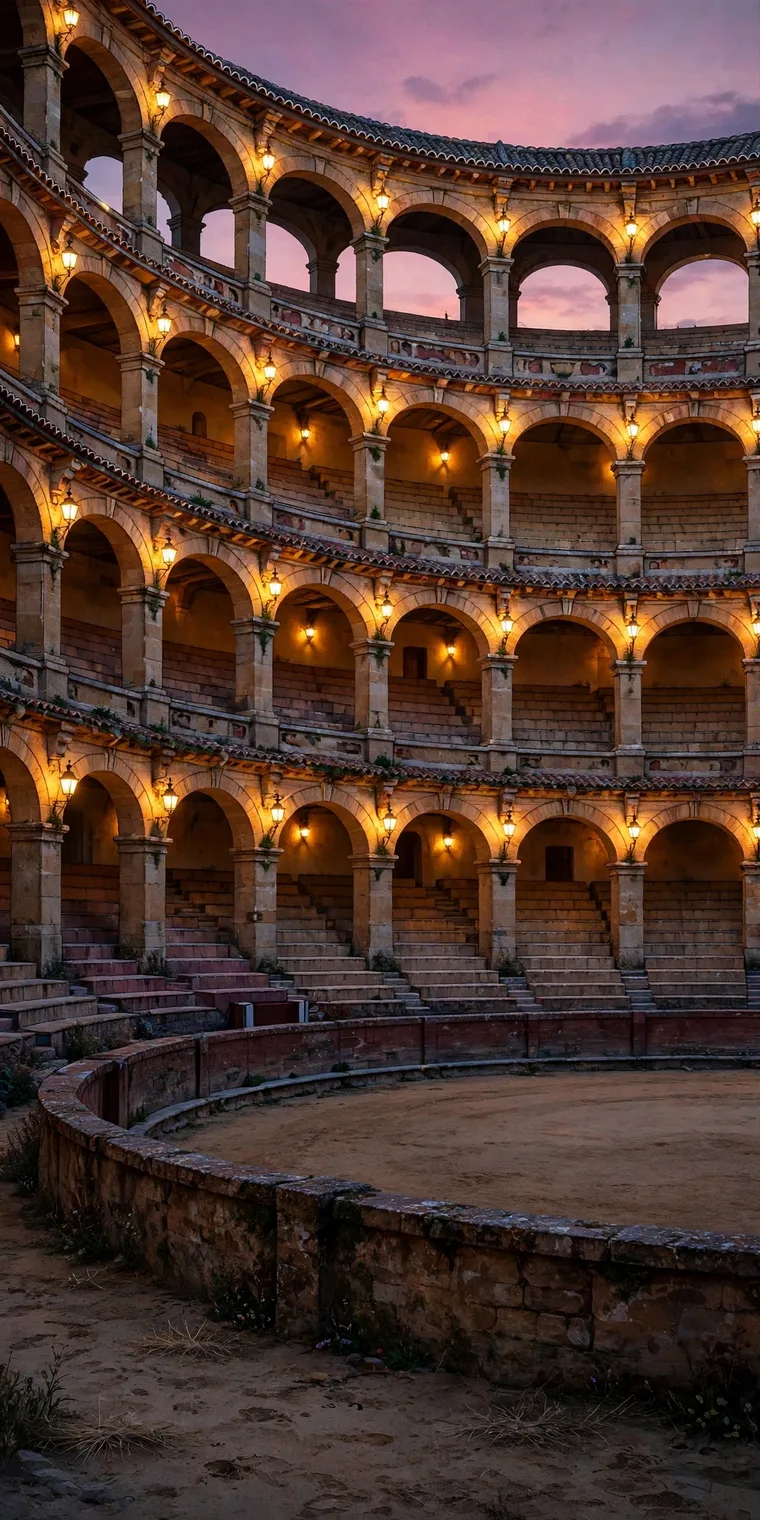
Long before a fighting bull hears a trumpet, it has lived four or five years in one of Europe's most distinctive landscapes: the dehesa. That fact is central to how Spaniards who defend bullfighting frame their case — and central, too, to any honest account of the animal at the heart of the fiesta. The toro bravo is not a beef bull diverted to the ring, nor a wild animal captured for spectacle. It is a carefully bred, extensively reared creature whose life, until its final afternoon, is spent roaming oak-dotted pasture in herds, handled as little as possible. Understanding that life does not settle the ethical argument. It does change what a newcomer imagines when they picture where the bull in the ring came from.
A Landscape Made by People and Oaks
The dehesa stretches across western and southwestern Spain — Extremadura, western Andalusia, Salamanca, parts of the two Castillas — and continues into Portugal as the montado. It is a managed savanna: holm and cork oaks spaced across grassland, pruned for generations for acorns, shade, and cork, while cattle, Iberian pigs, and sheep graze beneath them. Conservationists prize it because it is both farmed and rich in wildlife — eagles, vultures, and cranes share ground with livestock — and because it survives only while extensive grazing remains viable.
Fighting-bull ranches, ganaderías bravas, occupy some of the finest dehesa in Spain. A major ganadería may run to thousands of hectares for a few hundred breeding cows and their offspring. Breeders will tell you, accurately, that raising a toro bravo costs far more, for far longer, than raising beef cattle slaughtered at a fraction of the age — and that without the corrida the breed and much of this ranching system would have little commercial reason to exist.
Breeding for Bravery: Encastes and Selection
The fighting bull descends from distinct bloodlines called encastes, each associated with founding breeders and with recognisable traits of build, horn shape, coat, and behaviour. Names that recur in any serious conversation include Miura, whose bulls from near Seville carry a reputation for size, length, and dangerous cleverness; Victorino Martín, prized for demanding, serious animals; Núñez del Cuvillo, associated with mobility and class in the charge; Garcigrande and Juan Pedro Domecq lines, frequently sought by star toreros for a smoother, more predictable charge; and older, rarer encastes preserved by smaller ranches, sometimes at a loss, because breeders see themselves as custodians of genetic diversity within the breed.
Selection begins with the mothers. Breeding cows are tested in a small ranch ring in the tienta, where their bravery against a horse and their charge to the cape are scored in the ganadero's notebook. Only cows showing frankness and stamina become mothers of plaza bulls. A bull destined for a major plaza is almost never fought beforehand. Its behaviour must be, in the breeder's phrase, unspoiled: it has never learned that the man, not the cloth, is the true object.
Bravura is not rage, nor mere size. It is the willingness to charge again after being punished, to lower the head and follow the cloth through, rather than seek the fence. Allied to it breeders seek nobleza — honesty in the charge — and stamina to sustain a twenty-minute lidia. The great modern argument is whether selection, driven by toreros who want a more workable bull, has tipped too far toward nobility at bravery's expense.
Four Years in the Field
Life in the campo is deliberately undomesticated. Young bulls live in age groups in large enclosures and grow on grass and acorns. Vaqueros on horseback move and inspect them without handling them closely. Human contact is kept to a minimum, because its value lies in arriving in the plaza as an animal that has lived, by domestic standards, almost wild.
By its fourth year a plaza bull typically weighs between 460 and well over 550 kilos, depending on the ring and bloodline. It is sorted into a corrida — a lot of six, plus reserves called sobreros — and trucked to the plaza, usually at night, to be drawn by lot among the matadores.
That journey is the hinge of the system. Defenders point to the four years before it: the toro bravo has lived longest, ranged widest, and been handled least of any bovine raised for slaughter. Critics answer that the quality of a life does not justify the manner of its ending. Spanish debate often turns on which claim a listener considers decisive.
The Ranch as a World of Its Own
A visit to a ganadería reveals a culture as formal as the plaza's. The mayoral, the head stockman, knows individual animals by sight and lineage. Records trace generations: this bull's mother charged the horse four times; its sire was pardoned in the ring — the indulto, the rare honour by which an exceptionally brave bull is spared and retired to stud.
Some ranches have raised the same bloodline on the same land for more than a century. Miura's herd dates to the 1840s. When Spaniards speak of the fiesta as heritage, this is a large part of what they mean: not only the afternoon in the ring, but a rural world of oak, dust, horses, and slow time that the ring, for better or worse, continues to pay for.
The bull that charges through the toril gate, then, is not an anonymous animal. It has a name or number, a breeder's brand on its flank, four years of open sky behind it, and a pedigree that experts in the stands may know better than they know the torero waiting for it with a cape. What happens next belongs to the corrida. What happened before belongs to the dehesa — and no account of bullfighting that skips the dehesa has really begun at the beginning.
© 2026 InsideRealSpain.com