Spain Pours Fresh: Cava's Bubbles and Albariño's Atlantic Edge
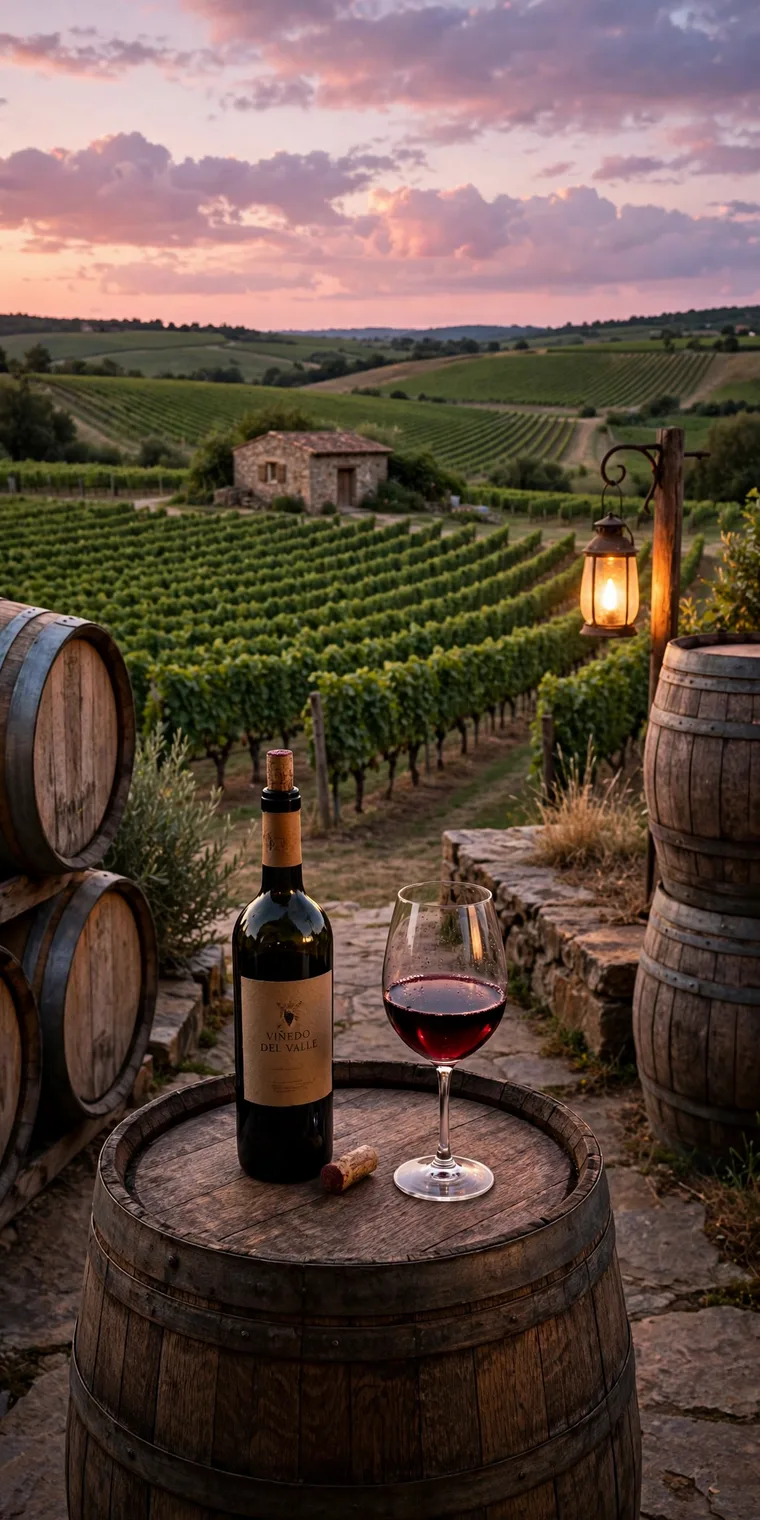
Spain is famous for red wine, but on a hot afternoon in Barcelona or a damp evening in Galicia, Spaniards are just as likely to reach for something pale, cold, and alive in the glass. At one end of that story is Cava, the traditional-method sparkling wine centred on Penedès in Catalonia. At the other, 600 miles northwest, is Albariño from Rías Baixas, a white wine that tastes unmistakably of the Atlantic. Together they disprove the laziest cliché about Spanish wine — that it is all warm, ripe, and red — and they do it in opposite ways: one through a second fermentation in bottle, the other through rain, granite, and sea air.
Cava: Method, Grapes, and a Fight Over Identity
Cava is made the way Champagne is made: a still base wine is bottled with sugar and yeast, ferments a second time in that bottle, and ages on its lees — the spent yeast — which gives the wine its fine bubbles and notes of bread, almond, and citrus peel. What makes Cava distinct is not the method but the place and the grapes. The heartland is Penedès, inland from Barcelona, where the main varieties are Macabeo, Xarel·lo, and Parellada. Macabeo brings freshness and light fruit, Parellada brings finesse and floral notes, and Xarel·lo — increasingly recognised as the most serious of the three — brings body, acidity, earthiness, and the capacity to age.
The centre of production is Sant Sadurní d'Anoia, a small town where cellars tunnel deep underground and where large houses built an export business on good, affordable sparkling wine. That affordability became both triumph and trap. Supermarket Cava sold worldwide, often after the legal minimum of nine months on lees, made the name familiar but fixed an image of Cava as cheap celebration wine — pleasant, simple, and interchangeable.
The last fifteen years have been a reckoning. Quality-focused growers argued that the rules allowed grapes from far beyond Penedès, yields too high, and aging too short to express any real origin. Some of the most respected producers left the Cava designation altogether, first for the short-lived Clàssic Penedès, then in 2019 to found Corpinnat, a private association of growers in the historic heart of Penedès committed to organic farming, hand harvesting, estate fruit, and long aging. The Cava council responded with reforms: a clearer hierarchy from Cava de Guarda, aged at least nine months, to Cava de Guarda Superior — Reserva at 18 months, Gran Reserva at 30 months, and Paraje Calificado, from a qualified single site, at 36 months — plus zoning that finally names Penedès subzones on the label.
For the drinker, the practical lesson is simple. A well-made young Cava, bone dry — look for Brut Nature, with no added sugar — is one of Europe's great aperitif bargains: green apple, lemon zest, fennel, and chalk, for the price of a modest still wine. A Gran Reserva or Corpinnat bottle aged four or five years on lees is a different wine entirely, closer to fine Champagne in texture and complexity, with toasted nuts, quince, and dried herbs, and it still usually costs less than its French equivalent. Drink the first with olives, fried fish, and potato crisps, as Catalans do. Drink the second with grilled prawns, roast chicken, or nothing at all, slowly.
Rías Baixas: Wine in a Green, Wet Country
Cross Spain to Galicia and the landscape inverts. Instead of dry Mediterranean hills there are green valleys, pine and eucalyptus woods, estuaries, and rain — lots of rain. Rías Baixas takes its name from the rías, the flooded river valleys that cut into the Atlantic coast south of Santiago de Compostela toward Portugal. Albariño — Alvarinho across the border — is its grape, accounting for the overwhelming majority of plantings.
Traditionally vines are trained on parras, high pergolas held up by granite posts, lifting the bunches into the breeze to dry them and reduce rot in the humid climate. Modern vineyards often use trellises, but the pergola landscape around Cambados, Meaño, and the Salnés Valley remains one of Spain's most beautiful wine sights, especially when you realise the same small plots often grow vegetables beneath the vines.
In the glass, Albariño is aromatic without being heavy: white peach, apricot, lemon, grapefruit zest, white flowers, and, in the best examples, a saline, almost sea-spray finish that makes it irresistible with local seafood. Acidity is naturally high, alcohol moderate by Spanish standards, and most wines are made in stainless steel without oak, to be drunk within two or three years. The finest, however — from old vines in Salnés, from sites on decomposed granite called xabre, or aged on lees — gain texture and can develop beautifully for five years or more, adding honey, chamomile, and stone fruit depth without losing their line.
Rías Baixas has five subzones, and they matter. Val do Salnés, the oldest and largest, is the classic source for bright, saline Albariño. Condado do Tea, inland along the Miño River, is warmer and makes rounder wines. O Rosal, near the Portuguese border, traditionally blends Albariño with Loureira and other local grapes for a more herbal, complex style. Ribeira do Ulla to the north and Soutomaior are smaller and less known, which often means better value.
Why These Wines Matter Now
Both Cava country and Rías Baixas face the same pressures from opposite directions. Penedès is getting hotter and drier; growers are planting at altitude, reviving drought-resistant local varieties, and farming organically not as marketing but as survival. Rías Baixas must manage excess water, mildew, and fragmented holdings — the average grower farms a tiny area split into many small parcels, a structure that preserves old vines but complicates every harvest. Climate change does not ask a region whether it has too much rain or too little. It tests both.
Their rise also reflects how Spain now eats and drinks. Lighter, fresher wines suit contemporary Spanish cooking — vegetables, seafood, rice, grilled rather than stewed dishes — and they suit the hours Spaniards actually drink wine: the aperitif before lunch, a long lunch itself, a late-afternoon glass that must refresh rather than overwhelm. A chilled Albariño with percebes, mussels, or simply grilled sardines, and a Brut Nature Cava before any meal at all, are not novelties. They are habits, long established locally, that the rest of the world has finally caught up with.
Follow the producer, not just the region. For Cava, seek aging time and Brut Nature; for Albariño, Salnés and lees aging.
© 2026 InsideRealSpain.com