Sherry Is Not Sweet: Inside Jerez and the Solera System
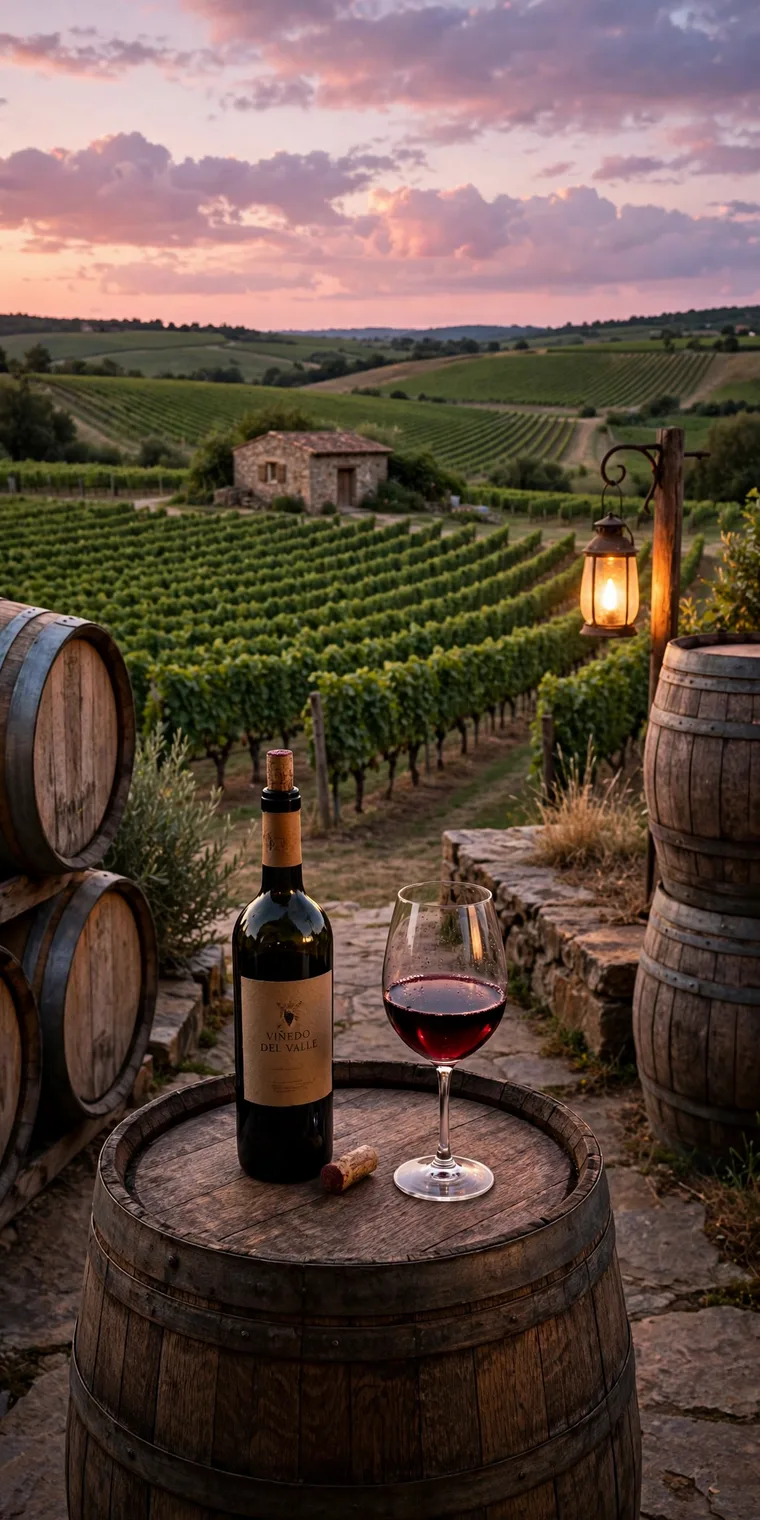
No great wine suffers a worse misunderstanding than sherry. For many drinkers outside Spain the word conjures something sweet, brown, and dusty, poured in small glasses at Christmas. In Jerez de la Frontera, in Cádiz province in the far south, the reality is almost the opposite: most sherry is bone dry, some of it is among the driest and most complex wines on earth, and all of it is shaped by a system of aging — the solera — unlike anything else in wine.
Jerez is one point of the so-called Sherry Triangle, completed by Sanlúcar de Barrameda on the coast and El Puerto de Santa María. Between them they hold chalk-white vineyards, vast cathedral-like bodegas, and a winemaking culture influenced by Phoenicians, Romans, Moors, and British merchants. Understanding sherry takes a little effort. Few wines repay it so completely, or so cheaply for the quality in the bottle.
Albariza, Palomino, and Two Ways to Age
The soil is called albariza: a brilliant white chalk, rich in calcium carbonate, that reflects sunlight up into the vines and, crucially in hot, dry Andalusia, absorbs winter rain and holds it deep below a hard summer crust. The grape planted on it is overwhelmingly Palomino Fino — neutral, low in acidity, unremarkable as a table wine. That neutrality is the point. Palomino is a blank canvas on which aging, not fruit, paints the picture.
After fermentation, the young wine is fortified with grape spirit and classified, and here sherry splits into two great families. Wines destined to become Fino or Manzanilla are fortified lightly, to about 15 percent alcohol, and age under flor — a veil of native yeast that grows on the wine's surface in barrel, protecting it from oxygen and feeding on alcohol and nutrients. Flor adds the flavours that define these wines: fresh dough, almond, chamomile, green olive, and a salty tang. In humid, coastal Sanlúcar, flor thrives year-round, and its wine is Manzanilla: paler, lighter, and more saline than Fino from inland Jerez. In El Puerto, the style sits between the two.
Wines destined to become Oloroso are fortified more strongly, to about 17 percent or more, which kills the flor. They age oxidatively, in direct contact with air through the porous barrel, darkening to mahogany and concentrating into walnut, tobacco, balsamic, dried fruit, and polished wood. Between the families sits Amontillado, which begins life under flor and then, when the flor dies or is killed by fortification, continues aging oxidatively — combining Fino's almond and herbal notes with Oloroso's depth. Palo Cortado, rarer and prized by connoisseurs, is the celebrated accident: a wine intended as Fino that loses its flor naturally and ages oxidatively while keeping Fino's elegance.
Sweet sherry exists, of course, and the best of it is serious wine. Pedro Ximénez, made from sun-dried grapes of the same name, is dark, viscous, and intensely sweet, tasting of raisin, fig, coffee, and liquorice — magnificent poured over vanilla ice cream or sipped in tiny amounts with blue cheese. Cream sherry, a sweetened Oloroso, is the style that built the British market. But sweetness is a branch of the sherry tree, not its trunk. Order a chilled Fino in Jerez and no one will think you have ordered dessert wine.
The Solera: Blending Time Itself
Sherry is aged in the solera system, which is less a cellar layout than a philosophy. Barrels are arranged in tiers called criaderas — nurseries. The oldest tier, resting on the ground, is the solera itself. When wine is drawn off for bottling, only a portion is taken, and the barrels are topped up from the next-youngest tier, which is topped up from the one above, and so on up to the youngest wines entering the system. No barrel is ever emptied.
The consequences are profound. First, consistency: a house can maintain a recognisable style across decades, because every bottle contains a fraction of very old wine blended with younger material. Second, the age on a sherry label cannot mean what it means elsewhere — a solera wine is an average, not a vintage. For older categories, regulators certify average ages: VOS, Vinum Optimum Signatum, for wines averaging more than 20 years, and VORS, Vinum Optimum Rare Signatum, for more than 30. Third, the system refreshes old wine and educates young wine continuously, so flor stays nourished in the Fino soleras and oxidative complexity builds without any single barrel dominating.
Walk into a great bodega in Jerez — high ceilings, thick walls, windows positioned to admit the humid poniente wind from the Atlantic and exclude the hot, dry levante from the east, earth floors watered to maintain humidity — and the rows of blackened American oak butts stretch like a library. It feels less like a winery than an archive, which is what a solera is: the past, kept liquid and alive.
Drinking Sherry Like Jerez Does
Temperature and freshness unlock everything. Serve Fino and Manzanilla well chilled, in a proper wine glass rather than a tiny copita, and treat an open bottle like a white wine — finish it within days, not months. Oxidative styles are more forgiving and are served slightly cooler than room temperature. Then pair boldly. Manzanilla with fried fish, olives, and almonds at the Feria in Sanlúcar is a defining Andalusian experience. Fino cuts through jamón ibérico, fried prawns, artichokes, and sushi with an authority still white wines envy. Amontillado belongs with mushrooms, cured cheese, and tuna. Oloroso belongs with oxtail, game, and slow winter stews. Pedro Ximénez belongs at the end, in place of dessert as often as with it.
Sherry's recent history has been difficult — sales fell for decades, vineyards shrank, and great old soleras were sold too cheaply. Its revival, led by sommeliers and by a new generation in Jerez making single-vineyard, unfortified, and vintage-dated wines from albariza sites, is one of wine's most encouraging stories. The insiders never stopped drinking it. Go to a tabanco in Jerez, where sherry is poured straight from the barrel and flamenco might start without warning, order a Fino, and you will understand why: sherry is not sweet, not old-fashioned, and not simple. It is one of Spain's greatest gifts to the table, hiding in plain sight.
© 2026 InsideRealSpain.com