Wine on Broken Slate: How Priorat Rose from Ruin to Greatness
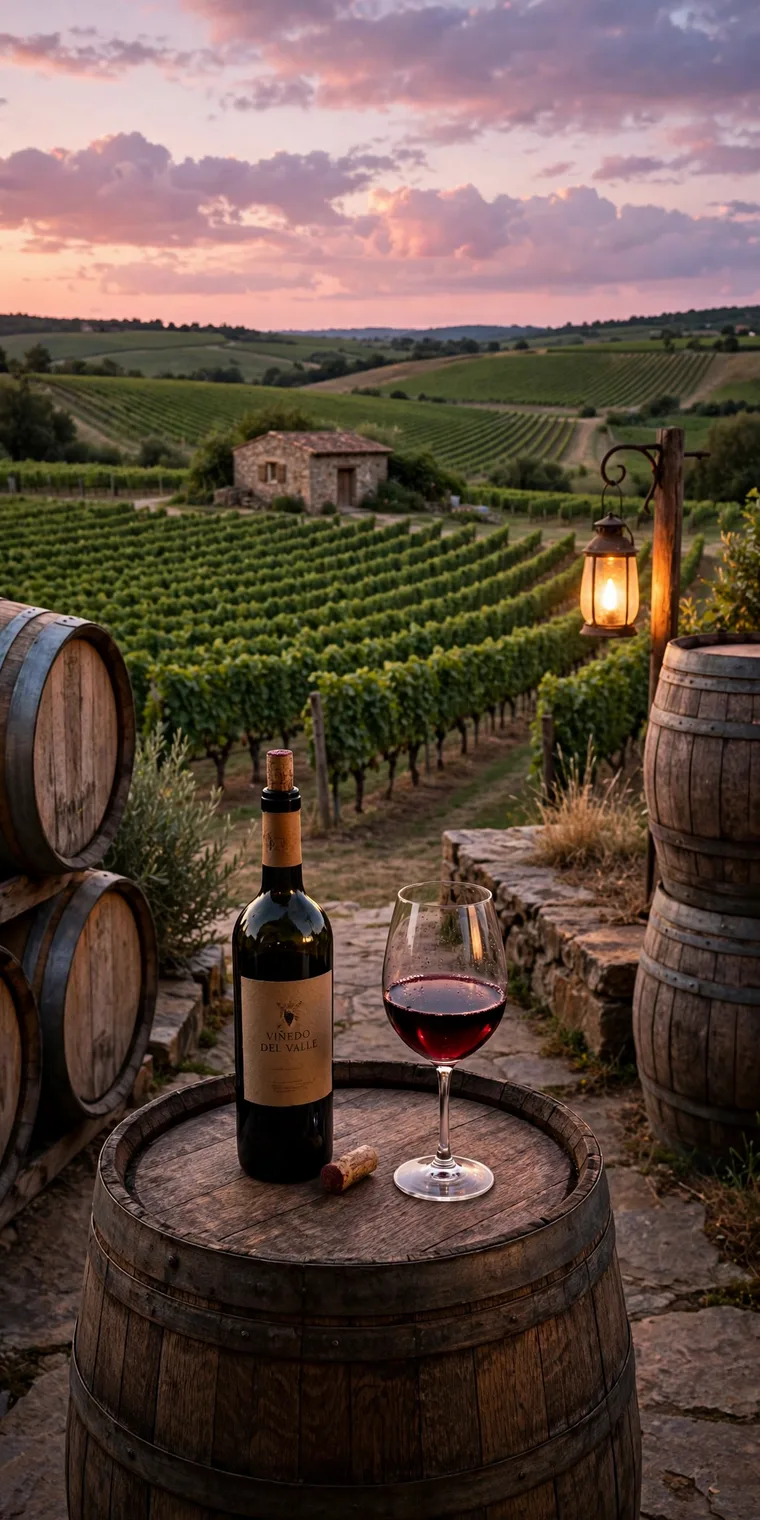
From the road, Priorat does not look like a place that should produce fine wine. It looks like a place wine would flee. Steep hills in the Montsant range of southern Catalonia, about two hours southwest of Barcelona, are covered in scrub, olive, and almond trees, and the ground seems hostile: dark, fractured slate that splits into sharp plates and crumbles underfoot. The villages — Gratallops, Porrera, Escaladei, Poboleda — are small, stone-built, and were half-empty well into the 1980s.
Yet the wine made here is now among Spain's most sought-after: dense, mineral, powerful reds, mostly from Garnacha and Cariñena, grown on that slate. Priorat is one of only two Spanish regions to hold the highest classification, Denominación de Origen Calificada — Rioja is the other. How a depopulated, impoverished comarca became a global fine-wine name in a single generation is one of modern wine's great revival stories, and it begins with the soil.
Llicorella: The Soil That Is the Story
Priorat's slate is called llicorella in Catalan. It is not topsoil in any generous sense. It is weathered slate and schist in shades of rust, bronze, and black, with bands of quartzite, lying at angles that force vine roots to fracture rock in search of water. Vines cling to slopes that can exceed 30 percent, sometimes on narrow terraces, sometimes on steep costers — un-terraced slopes worked as they were centuries ago.
Llicorella drains freely, stores daytime heat and releases it at night, and offers almost no fertility. Stressed, low-yielding vines produce small crops of intensely flavoured grapes. A mature bush vine might yield a kilo or less of fruit, a fraction of a productive vineyard elsewhere. Economically that is punishing. Qualitatively it concentrates everything: colour, tannin, acidity preserved by altitude and by the cool breeze from the Mediterranean, and a mineral impression tasters describe as slate, iron, or warm stone.
Altitude explains Priorat's range. Vineyards run from about 300 feet near the Siurana River to more than 2,400 feet in the higher villages. Porrera and Poboleda, in the cooler northeast, often make fresher, red-fruited wines. Gratallops and warmer, lower zones can make broader, darker ones. Newer rules now recognise that diversity, with classifications for village wines and named sites — a Burgundian turn for a region once sold simply as Priorat.
A Monastery, a Collapse, and a Handful of Dreamers
Wine here is ancient, but its defining institution was monastic. In 1194 Carthusian monks founded the Cartoixa d'Escaladei — Scala Dei, the Ladder of God — at the foot of the Montsant cliffs, and for nearly seven centuries they farmed the surrounding land. The name Priorat itself comes from the prior who governed the monastery's lands. The restored ruins of Escaladei, roofless cloisters against red cliffs, remain the region's spiritual centre.
The 19th and 20th centuries were cruel. Phylloxera arrived in the late 1800s and destroyed vineyards across Catalonia. Replanting on Priorat's slopes was slow and expensive; many were abandoned. The Civil War, poverty, and migration to industrial cities hollowed out the villages. By the 1970s most Priorat wine was bulk wine, sold cheaply or blended away elsewhere, and the region was known, if at all, for potent, rustic reds drunk locally.
The turnaround is usually dated to 1979, when René Barbier, a French-born winemaker, arrived, recognised the potential of old Garnacha and Cariñena vines on llicorella, and began buying land around Gratallops. In 1989 Barbier and four partners — Álvaro Palacios, Daphne Glorian, Carles Pastrana, and José Luis Pérez — released a single shared wine that announced a new ambition. The group, often called the Gratallops pioneers, soon split into estates famous in their own right: Clos Mogador, L'Ermita, Clos Martinet, and Clos Erasmus among them.
Their insight was not simply to make wine better, with careful farming and modern cellars. It was to insist that old vines and slate were not a liability to overcome but an asset no richer region could copy. Palacios's L'Ermita, from a steep plot of old Garnacha near Gratallops, became one of Spain's most expensive and collectible wines, proof the market would pay Bordeaux-level prices for wine from these hills. International critics followed, investment followed — sometimes too much of both.
Garnacha and Cariñena, Old and New
Priorat's traditional grapes are Garnacha Negra and Cariñena — Garnatxa and Carinyena in Catalan, Carignan in France. Both thrive in heat and poor soils, and old-vine versions each bring what the other lacks. Garnacha gives perfume, red and black fruit, warmth, and a silky texture even at high alcohol. Cariñena gives colour, acidity, tannin, and a wild, earthy edge that keeps blends honest.
In the boom years many new plantings favoured Cabernet Sauvignon, Merlot, and Syrah, aged in new French oak. The wines were impressive but could taste global rather than local. The consensus among the best producers has swung back: old-vine Garnacha and Cariñena are the soul of Priorat, international grapes are minor seasoning if they appear at all, and winemaking has moved toward larger barrels, concrete, and less extraction to let llicorella speak.
A necessary word about alcohol: Priorat reds routinely reach 14.5 or 15 percent, a natural result of ripe Garnacha on hot slate. Poorly made, they are heavy. Well made — with acidity from altitude, tannin from Cariñena, and restraint in the cellar — they carry it with surprising grace and age for a decade or more, developing fig, incense, rosemary, and warm stone. Climate change is pushing every producer toward earlier picking, shade in the canopy, and higher sites.
A Region That Still Feels Remote
Priorat rewards effort and punishes hurry. There is no wine city here, and roads between villages wind so tightly that a five-mile drive is a half-hour commitment. That remoteness is part of its preservation. Book bodega visits in advance — many are small family operations — base yourself in Falset, just outside the DOQ boundary, or in Gratallops itself, and eat simply and well: pa amb tomàquet, Siurana olive oil, grilled meats, beans, and mushrooms in season.
Combine wine with landscape: the mountaintop village of Siurana, perched above a reservoir, and the paths below the Montsant cliffs the Carthusians knew. Taste in Porrera in the morning and Escaladei in the afternoon and you will understand Priorat's diversity faster than any tasting note can teach it. The slate did not change. The world's attention did — and the best producers farm as if attention were temporary, which in wine it always is, and the llicorella were forever.
© 2026 InsideRealSpain.com